
Maximizing SaaS Product Adoption: A Playbook for Engagement
Maximizing SaaS product adoption is crucial for businesses aiming to enhance user engagement and drive revenue growth. As companies transition to software-as-a-service models, understanding how to foster user engagement becomes vital. This playbook offers strategic insights and actionable frameworks that C-suite leaders can leverage to maximize SaaS product adoption effectively.
Effective Strategies to Enhance SaaS User Engagement
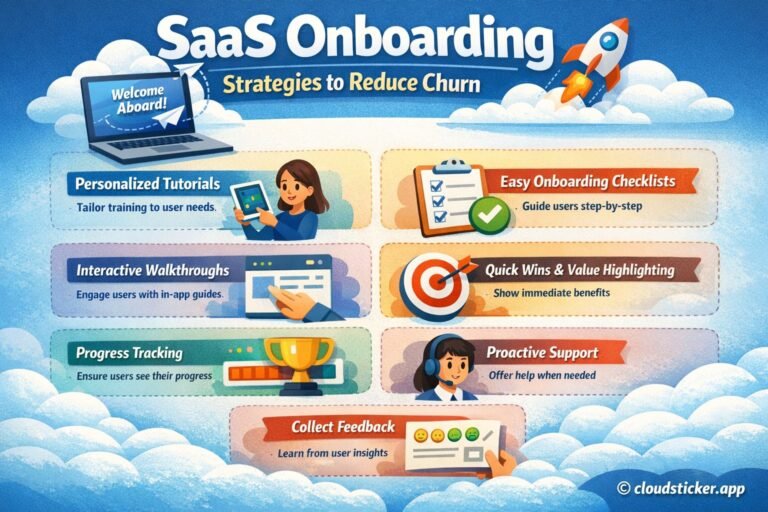
User engagement is at the heart of SaaS product adoption. Companies often underestimate the importance of creating a robust onboarding process. An effective onboarding experience should not only introduce users to the features of the product but also connect these functionalities to their specific needs. Start with an interactive tutorial that guides users through essential functions. This step can drastically reduce the learning curve and increase the likelihood of users returning to the platform.
Beyond onboarding, regular communication is key. Establish a cadence of check-ins and updates. Use email newsletters to inform users about new features, best practices, or industry trends. Additionally, consider implementing in-app messaging to provide instant support and guidance. This can also drive users to explore functionalities they may not be utilizing. Regular updates create a sense of belonging and investment, leading to higher retention rates.
Lastly, gamification can serve as an effective strategy for enhancing engagement. By incorporating elements like progress tracking, rewards, and challenges, users are incentivized to interact with the product more frequently. Consider using leaderboards to create a competitive spirit among users. These strategies not only enhance engagement but also encourage a deeper understanding of product offerings, thereby driving overall satisfaction.
Building a Sustainable Framework for Product Adoption
To build a sustainable framework for product adoption, it is essential to focus on cross-functional alignment. This means that teams across the organization—marketing, sales, customer success, and product development—must collaborate effectively. A unified approach ensures that everyone is on the same page regarding the product’s value proposition, user needs, and feedback loops. Regular meetings among departments can facilitate this alignment, creating a shared vision.
Next, incorporate customer feedback into your product development lifecycle. Establish mechanisms for collecting and analyzing user feedback consistently. This could include surveys, focus groups, or user interviews. By actively listening to users, you can identify pain points and areas for improvement. Incorporating user insights into your roadmap not only improves the product but also signals to users that their opinions matter. This can result in greater loyalty and advocacy.
Finally, ensure that you measure key metrics consistently. Metrics such as Net Revenue Retention (NRR) and Total Cost of Ownership (TCO) should be evaluated regularly. Create dashboards that track user engagement, adoption rates, and churn. This data is invaluable for making informed decisions about improvements and future investments. By adopting a data-driven approach, you ensure that your product remains robust, relevant, and engaging.
The Role of Customer Success in SaaS Engagement
Customer success teams play a pivotal role in driving SaaS product adoption. They serve as the bridge between the user and the product, ensuring that users achieve their desired outcomes. By focusing on user success, these teams can provide tailored support that enhances user engagement. Establishing a customer success framework can empower these teams to proactively resolve issues before they escalate.
One effective method is to assign dedicated Customer Success Managers (CSMs) to key accounts. These CSMs should regularly check in with users to understand their needs and usage patterns. They can offer personalized recommendations based on user behavior, thereby increasing the likelihood of adoption. Customers who feel valued and understood are more likely to remain engaged with the product over time.
Moreover, conducting regular health checks can help identify at-risk accounts. By assessing user engagement levels, you can implement targeted interventions to re-engage users. This could involve personalized training sessions, offering additional resources, or facilitating community engagement. A proactive customer success strategy not only enhances user experience but also contributes significantly to overall product adoption metrics.
Incorporating Community Building in Engagement Strategies
Creating a user community around your SaaS product can significantly enhance the adoption process. When users feel part of a community, they are more likely to engage with the product actively. A community platform can serve as a valuable resource for users to share tips, ask questions, and exchange best practices. Consider implementing forums, webinars, and user groups to foster this sense of belonging.
Encouraging user-generated content can also elevate the community experience. By allowing users to share their success stories, challenges, and innovative uses of the product, you create a repository of knowledge. This not only enhances user engagement but also serves as valuable marketing material, showcasing real-world applications of your product.
Moreover, host regular events like webinars or meetups. These gatherings can provide users with insights into product updates and industry trends while facilitating networking opportunities. By actively investing in community-building efforts, you can create strong advocates for your brand. These advocates will not only use the product more frequently but also recommend it to others, driving organic growth.
Leveraging Data Analytics for Continuous Improvement
Data analytics can be an invaluable asset in maximizing SaaS product adoption. By analyzing user behavior and engagement metrics, you can gain insights into how users interact with your product. This information can guide improvements, ensuring your offering remains relevant. Establish a data analytics framework that includes metrics like Daily Active Users (DAUs) and feature engagement rates.
Start by identifying key performance indicators (KPIs) that align with your business goals. Tracking these KPIs allows you to benchmark your progress and identify areas needing attention. For instance, if a particular feature sees low engagement, it may require reevaluation or improved onboarding support. Continuous monitoring helps you remain agile and responsive to user needs.
Furthermore, consider employing A/B testing to experiment with different engagement strategies. This technique enables you to compare the impact of various approaches on user engagement. Use the results to inform your strategies, ensuring that you are constantly refining your tactics based on data-driven insights. The more responsive you are to user needs, the better positioned you will be for sustained growth.
Creating an Effective Onboarding Experience
Onboarding is often the first touchpoint for new users. An effective onboarding experience can set the tone for user engagement. Simplifying the onboarding process is critical for minimizing user drop-off. Consider using a step-by-step approach that guides users through the essential features of your software. Leverage tooltips and interactive guides to enhance the experience and ensure users understand key functionalities.
Moreover, providing educational resources can complement the onboarding process. Create a library of video tutorials, FAQs, and documentation that users can reference. This not only empowers users to self-serve but also reduces the burden on customer support teams. The more resources you offer, the more confident users will feel while navigating your product.
Finally, collect feedback on the onboarding experience itself. Regularly survey new users to understand their challenges and pain points. This information can be instrumental in refining your onboarding process, ensuring it evolves to meet user needs. A seamless onboarding experience lays the foundation for long-term engagement and product adoption.
Strategic Framework for Implementation
Implementing an effective engagement strategy requires a structured approach. One key model to consider is the “SaaS Adoption Maturity Framework.” This framework consists of several phases that guide organizations in their adoption journey.
-
Awareness: Generate awareness of your product through targeted marketing campaigns.
-
Onboarding: Focus on an efficient onboarding process that introduces users to key features.
-
Engagement: Implement regular communications, gamification, and community building to enhance user interactions.
-
Feedback: Establish mechanisms for collecting user feedback, ensuring ongoing improvements.
-
Advocacy: Encourage user-generated content and testimonials that showcase the value of your product.
By following this framework, organizations can effectively navigate the complexities of SaaS product adoption. The structured approach enables teams to focus on each stage, ensuring a comprehensive strategy that drives engagement.
Executive FAQ
1. What are the key metrics to track for SaaS adoption?
The fundamental metrics to track include Daily Active Users (DAUs), Monthly Active Users (MAUs), and Net Revenue Retention (NRR). Each of these metrics provides insights into user engagement and the financial health of your SaaS product. Tracking churn rates is equally vital to understand how many users discontinue service.
2. How can we mitigate risks associated with SaaS adoption?
Risk mitigation involves thorough planning and cross-functional collaboration. Assess potential risks during the onboarding phase, including user resistance to change. Establish clear communication channels to address concerns and offer training sessions to equip users for successful adoption.
3. What role does customer support play in engagement?
Customer support is crucial for addressing user inquiries and resolving issues promptly. A responsive support team can enhance user satisfaction and retention. Consider implementing multichannel support options to cater to user preferences, such as chat, email, and phone support.
4. How can we ensure our SaaS product remains relevant?
Regularly update your product based on user feedback and industry standards. Conduct market research to stay ahead of trends. Implementing a feedback loop ensures that you respond to user needs and adapt your offering accordingly.
5. What is the impact of effective onboarding on TCO?
An effective onboarding process reduces the time users take to become proficient, thus lowering Total Cost of Ownership (TCO). Streamlined onboarding minimizes support costs and accelerates time-to-value, contributing to higher ROI.
6. How can we enhance collaboration across departments?
Foster a culture of collaboration through regular inter-departmental meetings and shared objectives. Use collaborative tools to facilitate communication and ensure alignment on user engagement strategies. This unified approach maximizes the impact of your SaaS product.
7. What are the best practices for collecting user feedback?
Utilize surveys, interviews, and user testing sessions to gather feedback. Ensure that inquiries are specific and actionable. Analyzing user sentiments can provide valuable insights into areas for improvement, enhancing product relevance.
Conclusion
Maximizing SaaS product adoption requires a comprehensive approach that combines effective strategies for enhancing user engagement with a sustainable framework for long-term success. By focusing on cross-functional collaboration, user feedback, and data analytics, organizations can create a dynamic environment that fosters continuous improvement. As the SaaS landscape evolves, remaining agile and responsive to user needs will be key to driving sustained engagement and growth.
A well-structured playbook for maximizing SaaS product adoption can effectively enhance user engagement, drive retention, and foster long-term advocacy. By implementing these strategies, organizations can position themselves for success in the competitive SaaS market.