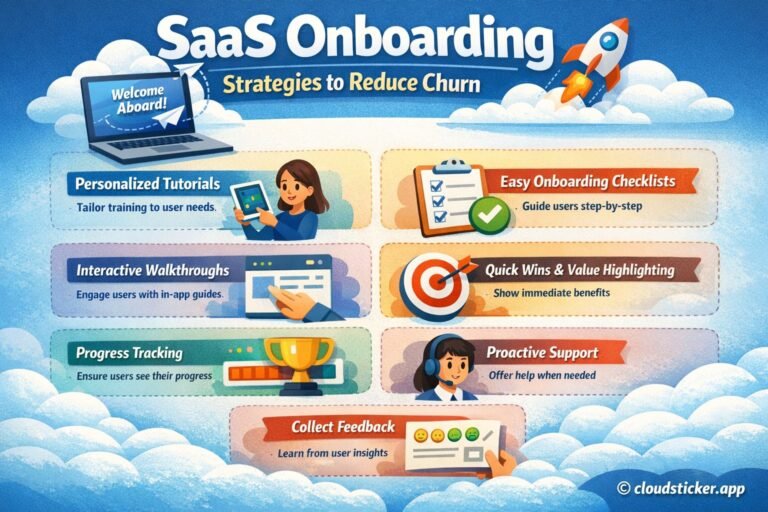

Essential SaaS User Onboarding Checklist for Better Retention
Key Steps for an Effective SaaS User Onboarding Checklist
User onboarding is crucial in the Software as a Service (SaaS) sector. A structured onboarding process can significantly improve user experience and retention rates. The initial phase of engagement sets the tone for customer relationships. This is when users form their first impressions. Therefore, a well-defined onboarding strategy is essential for driving product adoption.
First, identify the key features that need emphasis during onboarding. New users often feel overwhelmed by extensive functionalities. Selecting a few critical features for initial focus guides users through their learning journey. This helps to ensure they quickly realize the core value your software offers. Additionally, using interactive tutorials can simplify complex processes, making learning engaging.
Another important step is to personalize user experiences. Utilize user data to tailor onboarding flows. Personalization can improve user satisfaction and trust. When users see content relevant to their specific needs, they are more likely to engage. Effective onboarding leverages data to minimize friction and maximize relevance. This approach enhances the overall onboarding experience, fostering long-term retention.
Proven Strategies to Boost User Retention Rates
Boosting retention rates involves ongoing engagement strategies after initial onboarding. It’s not just about getting users through the door; it’s about keeping them inside. Regular check-ins and feedback loops can help identify pain points early. This proactive approach allows you to address concerns before they lead to churn.
Consider implementing a customer success program. This program can focus on building relationships through regular outreach. By allocating resources for effective support, you can enhance user satisfaction. A dedicated customer success team can provide tailored assistance. They can also help users navigate the software and suggest features that may benefit them.
Furthermore, leveraging analytics is essential for understanding user behavior. Tracking metrics such as feature usage, session duration, and drop-off points helps refine the onboarding process. Utilizing A/B testing can yield insights into what resonates best with users. This data-driven approach allows for continuous improvement, ensuring that the onboarding process evolves with user expectations.
The Importance of Clear Communication
Effective communication during onboarding is paramount. Users need to understand not just how to use the software, but also its value. Clarity in messaging can eliminate confusion and enhance user comfort. Establishing clear communication channels ensures users can reach out for support whenever needed.
To provide clarity, create comprehensive documentation and resources. A well-structured knowledge base can serve as a go-to for users. Including video tutorials, FAQs, and step-by-step guides can facilitate better understanding. Moreover, a community forum can foster peer support and engagement.
Regularly updating your communication materials is crucial. As software evolves, so do its features and functionalities. Keeping resources current ensures users always have access to the latest information. This approach not only supports onboarding but also encourages ongoing user engagement.
Crafting an Engaging User Journey
A successful onboarding process must include an engaging user journey. Mapping out the user experience helps you identify key touchpoints. Understanding the customer journey ensures a cohesive experience from the beginning.
Consider employing gamification techniques to motivate users. Reward systems, achievement badges, and progress tracking can create a sense of accomplishment. These elements encourage users to explore more features and remain engaged. Gamification can transform the onboarding experience from a tedious task into an enjoyable activity.
Moreover, storytelling can be an impactful tool. Using narratives to illustrate how others have benefited from the software can inspire users. Stories create emotional connections, making the software feel more valuable. By weaving in storytelling elements, you can enhance user engagement and retention.
The Role of Feedback in Continuous Improvement
Feedback is invaluable in refining the onboarding process. Soliciting input from users helps you understand their experiences. This insight can highlight areas for improvement, ensuring your onboarding strategy remains effective.
Implement regular surveys and feedback forms to gather insights. Use both qualitative and quantitative data to form a comprehensive picture. Analyzing feedback allows you to make data-driven decisions. This creates a cycle of continuous improvement, where user experiences inform your onboarding strategy.
Additionally, consider establishing User Experience (UX) testing sessions. Allow users to navigate the onboarding process while observing their interactions. This hands-on approach reveals pain points and areas for enhancement. By actively involving users in the process, you can create a more user-centric onboarding experience.
Analyzing Metrics for Success
Metrics play a key role in assessing onboarding effectiveness. Defining key performance indicators (KPIs) helps measure success and identify areas for improvement. Common metrics include user engagement, activation rates, and churn rates.
Tracking activation rates is particularly important. This metric indicates how well users are adopting core features. Analyzing activation rates can help identify bottlenecks in the onboarding process. If users aren’t reaching critical milestones, it’s time to reevaluate your strategy.
Additionally, the time to first value (TTFV) is a crucial metric. TTFV measures how quickly users realize the software’s value. A shorter TTFV typically correlates with higher retention rates. Regularly reviewing and adjusting your onboarding process can help reduce TTFV, ensuring users derive value early.
Building a Scalable Onboarding Framework
Creating a scalable onboarding framework is essential for growth. As your user base expands, so does the need for consistent onboarding experiences. A robust framework can provide standardized processes while allowing for personalization.
Start by documenting your onboarding processes. A well-outlined process not only ensures consistency but also serves as a training resource for new team members. This documentation should detail each step, from user registration to feature utilization.
Employ automation tools to streamline the onboarding journey. Automated emails, tutorials, and reminders can enhance user engagement. These tools allow you to maintain personalized communications at scale, ensuring that all users receive the same high level of support.
Executive FAQ
How can onboarding impact TCO (Total Cost of Ownership)?
Onboarding significantly influences TCO by reducing the time and resources needed for support. A well-structured onboarding process minimizes user confusion. This leads to fewer support tickets and quicker user adoption, ultimately lowering overall costs.
What are the risks associated with ineffective onboarding?
Ineffective onboarding can lead to increased churn rates. Users who feel unsupported are less likely to continue using the software. This can harm reputation and revenue, as acquiring new customers is often more costly than retaining existing ones.
How can I measure the effectiveness of my onboarding process?
Evaluating onboarding effectiveness requires tracking specific KPIs. Metrics such as activation rates, user engagement, and TTFV can be instrumental. Regularly analyzing these metrics helps identify areas for improvement.
What role does customer success play in onboarding?
Customer success teams enhance the onboarding process by providing ongoing support. They can guide users through early challenges and promote feature utilization. This proactive approach fosters long-term relationships, improving retention.
How can feedback loops aid in refining the onboarding process?
Feedback loops allow for continuous improvement of onboarding materials. Regularly soliciting user input helps identify issues and understand user needs. This iterative process ensures the onboarding strategy evolves with user expectations.
What is the importance of personalization in onboarding?
Personalization increases user engagement and satisfaction. Tailoring onboarding experiences to specific user needs helps eliminate friction. Users are more likely to stay engaged when they feel that the content is relevant to them.
How can automation benefit the onboarding process?
Automation streamlines onboarding by providing consistent communications and resources. It ensures that users receive timely support without overwhelming your team. This efficiency can lead to faster user adoption and improved retention rates.
How can I ensure my onboarding framework is scalable?
Documenting your onboarding processes creates a standardized approach that can be easily replicated. Additionally, employing automation tools allows for personalized experiences at scale. Regularly revisiting and refining these processes ensures they remain effective as your user base grows.
Conclusion
In summary, a robust onboarding process is vital for SaaS success. By prioritizing effective communication, user engagement, and data-driven improvements, you can significantly enhance user retention. These strategies not only promote retention but also contribute to a positive user experience.
Investing in a structured onboarding framework lays the groundwork for long-term relationships. The insights gained from user feedback and analytics will inform continuous refinement. This commitment to improving onboarding will yield dividends in user satisfaction and retention.