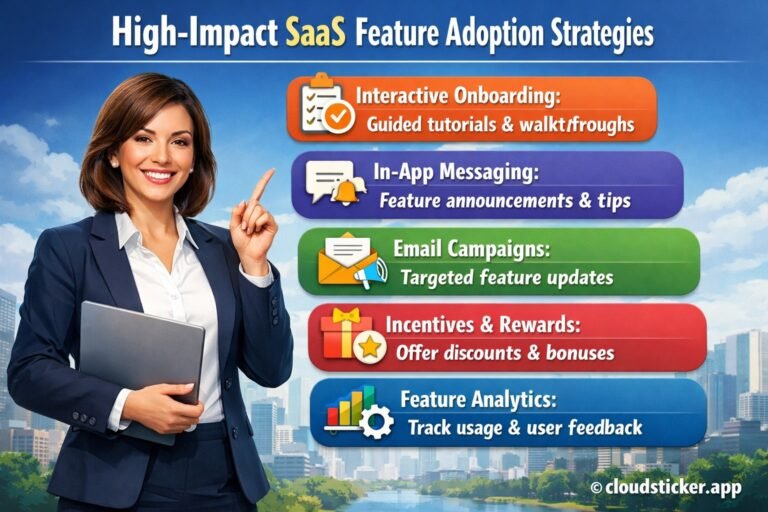

Essential Strategies for SaaS Pricing and Revenue Growth Insights
Establishing SaaS Pricing and Revenue Growth Insights is essential for businesses. Understanding the nuances of pricing models can lead to enhanced customer acquisition and retention. This article delves into essential strategies that can drive revenue growth and optimize pricing structures for SaaS companies.
Key Considerations for Effective SaaS Pricing Strategies
Understanding Customer Segmentation
One of the primary considerations for an effective SaaS pricing strategy is customer segmentation. Segmentation allows businesses to identify distinct groups within their target market. These groups often have varying needs, budgets, and willingness to pay. By creating personas based on these factors, SaaS companies can tailor their offerings effectively.
Segmentation can be based on factors like business size, industry, or even user behavior. This approach enables you to create tiered pricing models that resonate with each segment. For example, a small startup may prefer a freemium model, while an enterprise client may require a premium offering with additional features.
To implement this effectively, conduct market research and analyze user data. This will help in refining your segments and ensuring that your pricing aligns with the perceived value for each group. Informed pricing strategies based on customer segmentation can significantly boost customer acquisition rates.
Choosing the Right Pricing Model
Different SaaS companies may benefit from various pricing models, such as subscription-based, usage-based, or tiered pricing. Each model has distinct advantages and disadvantages, making it essential to choose one that aligns with your business objectives and customer needs.
Subscription-based models provide predictable revenue streams, appealing for budgeting purposes. However, they may not suit all customers. Usage-based pricing, on the other hand, offers flexibility but can result in unpredictable revenues. Tiered pricing combines both approaches, allowing customers to select plans based on their needs and usage levels.
Ultimately, the right model should reflect the unique value proposition of your SaaS product. Conducting experiments with different pricing models will allow for data-driven decisions. Understanding how each model impacts customer behavior can significantly influence your overall revenue growth.
Proven Methods to Drive Revenue Growth in SaaS Businesses
Implementing Value-Based Pricing
Value-based pricing focuses on the perceived value of your service rather than the cost to produce it. This approach requires a deep understanding of how customers perceive your software’s utility. The goal is to charge based on the benefits that the software delivers, not merely what it costs to develop or maintain.
Start by gathering customer feedback and conducting surveys to gauge how much value users derive from your software. This information will inform your pricing decisions. For instance, if your users report increased efficiency or revenue generation from your software, you may have room to adjust your pricing upward.
Value-based pricing can lead to higher profit margins. Customers are often willing to pay more if they believe they are receiving exceptional value. Therefore, continuously evaluate how your software creates value and adjust your pricing strategies accordingly.
Utilizing Upselling and Cross-Selling Techniques
Upselling and cross-selling are proven strategies to increase revenue without acquiring new customers. Upselling involves encouraging customers to purchase a more expensive version of your product. Cross-selling promotes the purchase of complementary services or add-ons.
These techniques require a well-thought-out approach. Train your sales team to identify opportunities for upselling and cross-selling during customer interactions. For example, if a customer signs up for a basic plan, offer a premium plan that includes additional features that they might need.
Incorporating these techniques can result in higher average revenue per user (ARPU). A well-aligned upselling and cross-selling strategy can enhance customer satisfaction while maximizing revenue from existing customers.
Strategic Framework for Pricing and Revenue Growth
The SaaS Pricing Maturity Framework
Implementing a SaaS Pricing Maturity Framework can guide your strategic pricing decisions. This framework outlines the stages that most SaaS companies experience as they evolve their pricing strategies.
- Foundation Stage: Focus on establishing a basic pricing model suitable for your initial customer base. This stage requires understanding your market and customer needs.
- Expansion Stage: As you gain traction, refine your pricing strategy. Experiment with various models, gather customer feedback, and assess your competitors.
- Optimization Stage: At this stage, you should be optimizing pricing based on value and data analytics. Utilize customer insights to tailor pricing and maximize value perception.
- Sustainability Stage: Finally, focus on maintaining your pricing strategy while adapting to market fluctuations, customer feedback, and economic conditions.
By following this framework, organizations can systematically enhance their pricing strategies and ensure long-term revenue growth.
Implementation Steps for the SaaS Pricing Maturity Framework
To effectively implement the SaaS Pricing Maturity Framework, consider the following steps:
| Implementation Phase | Key Actions |
|---|---|
| Foundation Stage | Conduct market research, analyze competitors, gather initial customer feedback. |
| Expansion Stage | Test various pricing models, analyze customer data, and review performance metrics. |
| Optimization Stage | Utilize advanced analytics to understand customer behavior, refine pricing structures. |
| Sustainability Stage | Regularly revisit pricing strategies, maintain agility, and adapt to market changes. |
Following these steps will provide a structured approach to enhancing your pricing strategy. It will also enable you to adapt as your business scales.
Executive FAQ
How does SaaS pricing impact TCO?
Total Cost of Ownership (TCO) is greatly influenced by pricing strategies. When SaaS companies adopt a value-based pricing model, they can better align costs with the benefits delivered. This alignment often results in lower TCO for customers.
What role does customer feedback play in pricing strategies?
Customer feedback is essential for refining pricing strategies. By understanding customer needs and perceptions of value, SaaS companies can adjust their pricing to better meet market demands. Regular feedback loops ensure that pricing remains competitive and relevant.
How can SaaS companies ensure profitability while offering discounts?
Balancing discounts and profitability requires a data-driven approach. Companies should analyze profit margins and customer acquisition costs before implementing discounts. Strategic discounting can help clear inventory or attract new customers without undermining overall profitability.
What are common pitfalls in SaaS pricing strategies?
Common pitfalls include underestimating customer willingness to pay, failing to adapt pricing based on market changes, and neglecting customer segmentation. These pitfalls can lead to revenue stagnation or loss of customer trust.
How can SaaS companies measure the effectiveness of their pricing strategy?
Effective measurement can be done through metrics like Customer Lifetime Value (CLV), Average Revenue Per User (ARPU), and churn rates. Monitoring these metrics provides insights into how well pricing strategies align with customer expectations.
What is the importance of competitive analysis in pricing strategies?
Competitive analysis helps SaaS companies understand market positioning. By evaluating competitors’ pricing models, features, and customer feedback, companies can identify gaps and opportunities for differentiation. This ensures that their pricing remains attractive.
How can upselling and cross-selling strategies be aligned with customer needs?
Aligning upselling and cross-selling with customer needs involves understanding user behavior and preferences. Data analytics can help identify which features or add-ons users are likely to appreciate, allowing for targeted marketing efforts.
Essential Strategies for SaaS Pricing and Revenue Growth Insights
Ensuring scalability requires a flexible pricing model that can evolve with the business. Regular reviews of pricing strategies, along with customer feedback and market analysis, will help maintain scalability while accommodating growth.
Developing effective pricing strategies is essential for sustainable revenue growth in SaaS businesses. Understanding customer segmentation, implementing value-based pricing, and utilizing strategic frameworks can guide decision-making. By continually evaluating pricing models and remaining adaptable, SaaS companies can thrive in a competitive landscape.