SaaS Product Rollout Strategies: How to Plan and Execute Launches That Win
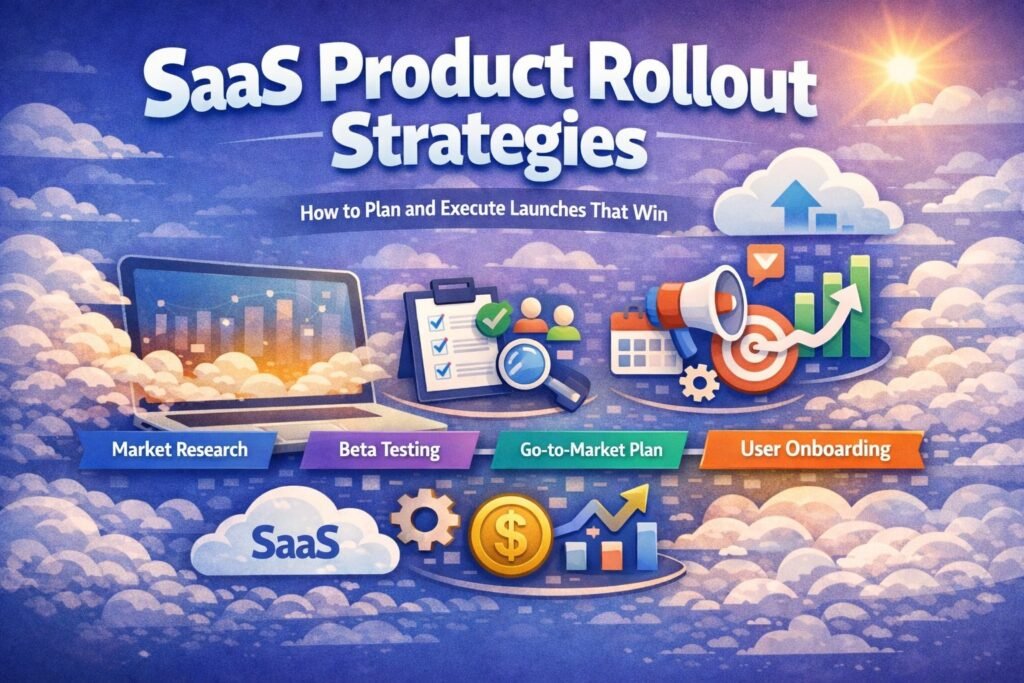
Launching a Software as a Service (SaaS) product presents a unique set of challenges and opportunities. A well-executed rollout strategy can mean the difference between a product that quickly gains traction and one that fades into obscurity. Companies must adopt a multifaceted approach to planning their launch, keeping in mind that careful preparation can significantly enhance their success. This article explores SaaS Product Rollout Strategies, providing insights into market research, communication tactics, and continuous improvement methods that can lead to a winning launch. If you’ve ever launched something that didn’t quite land as expected, you’ll know just how important it is in getting this right
Understanding the Importance of a Solid SaaS Rollout Plan
A well-structured rollout plan is not merely a checklist; it is a strategic framework that aligns various components of your organization with your product launch objectives. This framework allows teams to coordinate efforts seamlessly, addressing potential pitfalls before they arise. Moreover, having a clear plan fosters collaboration, enabling different departments—such as marketing, sales, and customer support—to work together towards a common goal. This synergy often results in a smoother rollout process and enhances the customer experience from day one.
The stakes are high in the SaaS industry, as competition is fierce and customer expectations are rising. A solid rollout plan not only ensures that your product is genuinely ready for market, but it also positions your brand as a reliable provider. By outlining your goals, timelines, and responsibilities, your team can work proactively to meet customer needs and adapt to feedback. When executed well, a solid rollout plan can establish credibility and set the stage for long-term customer relationships.
Finally, a well-thought-out rollout strategy serves as a living document that evolves with your business. As you gather feedback and analyze performance metrics post-launch, you can refine your tactics and adapt to changing market conditions. Continuous evaluation and improvement reinforce your brand’s commitment to quality and excellence, ultimately leading to sustained growth and success in the SaaS sector.
Key Elements for a Successful SaaS Product Launch
When it comes to launching a SaaS product, there are several key elements that must be taken into account. One of the most crucial is a clearly defined target audience. Understanding who your product is for will help tailor your messaging and marketing strategies effectively. Utilize customer personas to encapsulate the traits, behaviors, and needs of your ideal users. This allows your team to focus on features that resonate most with these customers, increasing the likelihood of a successful launch.
Another essential element is the technology stack that underpins your SaaS product. Ensuring that your infrastructure can handle the expected load is paramount. High availability, security, and scalability should be fundamental considerations. Perform load testing well before the launch date to identify any bottlenecks or vulnerabilities that could hinder performance. Remember, a seamless user experience is crucial for customer retention, so invest time in fortifying your technology.
Lastly, a robust pre-launch marketing strategy is indispensable. Build anticipation through content marketing, blogs, social media teasers, and email campaigns. Engage with your community to create buzz around your product and encourage early adoption. This proactive approach not only garners interest but also creates a sense of urgency that can lead to a successful launch day.
Market Research: Identifying Customer Needs and Trends
Effective market research is the cornerstone of any successful SaaS rollout strategy. This involves more than just understanding who your target audience is; it requires a deep dive into their needs, pain points, and current market trends. Utilize surveys, focus groups, and interviews to gather qualitative data from potential users. This data can help your team identify areas for improvement in your product, as well as features that could provide a competitive advantage.
Additionally, leveraging analytics tools to track user behavior in existing products can offer invaluable insights into what customers are looking for. You may discover previously unseen patterns or preferences that can inform your product’s development, making it more aligned with market demands. By staying attuned to customer feedback and industry trends, your team will be better equipped to make data-driven decisions that resonate with your audience.
Finally, it’s essential to monitor competitor offerings. Analyze their strengths and weaknesses to identify gaps in the market that your product can fill. This strategic approach not only helps differentiate your product but also allows you to position it effectively. The better you understand the landscape, the more likely you are to create a product that not only meets but exceeds customer expectations.
Effective Communication Strategies for Your Launch Team
Communication is vital for keeping all stakeholders informed and engaged during the SaaS product rollout process. Clear and concise messaging should flow between team members, ensuring everyone understands their roles and responsibilities. Regular meetings, whether in-person or virtual, can help maintain alignment and allow for quick adjustments to plans as needed. Tools like Slack, Trello, or Asana can also facilitate real-time communication and project management, keeping everyone on the same page.
Additionally, establishing a feedback loop is crucial for identifying issues early on. Encourage team members to share their insights and concerns openly, creating an environment where accountability and collaboration thrive. This transparency not only fosters a sense of ownership among team members but also enhances problem-solving capabilities, enabling your team to adapt to challenges quickly as they arise.
Finally, effective communication extends beyond internal teams. Your communication strategy should also encompass external stakeholders, such as customers and partners. Use newsletters, social media updates, and press releases to keep them informed about your product launch. This proactive approach builds anticipation and trust, allowing for a more enthusiastic response upon release.
Leveraging Beta Testing for Real-World Feedback
Beta testing serves as a crucial phase in the SaaS product rollout process, allowing your organization to gather real-world feedback from users prior to the official launch. By inviting a select group of customers to test your product, you can identify usability issues and bugs that may not have surfaced during internal testing. This step is essential for fine-tuning your product, ensuring that the final version meets customer expectations.
To maximize the effectiveness of your beta testing, consider segmenting your testers based on their demographics, industry, or specific use cases. This variety can provide you with a more comprehensive understanding of how different users interact with your product. Encourage testers to provide detailed feedback through surveys, interviews, or discussion forums, focusing on aspects such as functionality, usability, and overall satisfaction.
Moreover, using beta testing to build a community around your product can create brand advocates before the official launch. Engaging with these early adopters fosters loyalty and can lead to valuable word-of-mouth marketing. The insights gathered during this phase can be instrumental in shaping your product, ensuring that it is well-received when it finally hits the market.
Creating a Marketing Plan That Drives Engagement
An impactful marketing plan is essential for generating interest and engagement during your SaaS product launch. Begin by defining your unique selling proposition (USP)—what makes your product stand out from the competition? Once you have a clear USP, craft messaging that resonates with your target audience, focusing on their pain points and how your product addresses them. This targeted approach will enhance the effectiveness of your marketing efforts.
Utilize a multi-channel strategy for your marketing plan, encompassing content marketing, social media, email campaigns, and paid advertising. Each channel serves a specific purpose and can reach different segments of your audience. For example, content marketing can establish your brand as a thought leader, while social media can foster community engagement. Utilizing analytics will help you track the effectiveness of each channel and adjust your strategy accordingly.
Finally, consider hosting a launch event, either virtually or in-person, to showcase your product. This can generate buzz and provide an opportunity for potential users to engage directly with your team. Offering exclusive promotions or discounts during the launch can further incentivize early adoption. Ultimately, a well-crafted marketing plan will not only drive initial engagement but also lay the groundwork for sustained customer interest.
Measuring Success: Key Metrics to Track Post-Launch
After launching your SaaS product, it is critical to measure its success through defined performance metrics. Key performance indicators (KPIs) such as user acquisition rate, churn rate, and customer lifetime value (CLV) provide valuable insights into how well your product is performing in the market. Tracking these metrics will allow your team to identify areas for improvement and make necessary adjustments to your strategy.
In addition to quantitative metrics, qualitative feedback should also be collected post-launch. User reviews, customer support inquiries, and social media engagement can provide a wealth of information about user satisfaction. Analyzing this feedback can help your team understand customer expectations and inform future updates to your product. A combination of both quantitative and qualitative data will provide a holistic view of your product’s performance.
Finally, don’t forget to revisit your goals and objectives regularly. Evaluate whether your product is meeting the expectations set during the planning phase, and refine your approach based on the data collected. Continuous monitoring ensures that your SaaS product remains competitive and relevant in a rapidly evolving market.
Continuous Improvement: Adapting After the Rollout
The launch of your SaaS product should not be viewed as the end of a journey but rather the beginning of continuous improvement. User feedback and performance metrics collected post-launch should inform regular updates and enhancements to your product. This iterative approach will not only help you address immediate issues but also align your product with the evolving needs of your customers.
One effective strategy for continuous improvement is establishing a product roadmap based on user feedback and market trends. This roadmap can guide your development team, ensuring that updates are prioritized based on what will provide the most value to customers. Regularly revisiting this roadmap allows your team to stay agile, adapting to new challenges and opportunities as they arise.
Lastly, cultivate a culture of innovation within your organization. Encourage your team to explore new features, technologies, or methodologies that can enhance your product and customer experience. By fostering an environment where experimentation is encouraged, you can remain ahead of the competition and continue to delight your customers long after the initial launch.
SaaS Product Rollout Strategies
A successful SaaS product rollout requires meticulous planning, market research, effective communication, and a commitment to continuous improvement. By leveraging the strategies discussed in this article, organizations can enhance their chances of achieving a successful launch and sustaining long-term success in the competitive SaaS landscape. The journey doesn’t end at the launch; it is an ongoing commitment to adapt, innovate, and respond to customer needs that truly defines a victorious SaaS product.
Hashtags: #SaaS #ProductLaunch #MarketResearch #ContinuousImprovement #CustomerEngagement
External Source: For further insights on SaaS product strategy, visit Amplitude