
SaaS Customer Retention Playbooks That Reduce Churn
SaaS companies face a unique challenge in retaining customers, especially in a competitive market where alternatives are just a click away. This article delves into effective playbooks that can drastically reduce churn and enhance customer retention. By focusing on strategic insights, actionable tips, and industry-specific guidance, businesses can cultivate lasting relationships with their clients.
Understanding the Importance of Customer Retention in SaaS
Customer retention is critical for SaaS companies, as it directly influences profitability and growth. The cost of acquiring new customers can be five to seven times higher than retaining existing ones. Therefore, focusing on retention strategies not only strengthens customer loyalty but also creates a more stable revenue stream. For SaaS enterprises, where subscription models often dictate revenue, ensuring customers continue their subscriptions becomes paramount.
The importance of retention goes beyond financial metrics; it impacts brand reputation and customer satisfaction. When customers feel valued and engaged, they’re more likely to become advocates, promoting the brand through word-of-mouth and positive reviews. In contrast, high churn rates can tarnish a company’s image, making it harder to attract new clients. Thus, fostering an environment of loyalty is essential for a long-lasting and successful SaaS business.
Moreover, understanding the nuances of customer behavior allows SaaS companies to tailor their strategies effectively. Recognizing that every customer has unique needs and expectations can lead to more personalized experiences. This not only enhances customer satisfaction but also fosters a sense of belonging and community around the brand, ultimately driving long-term retention and success.
Key Metrics for Measuring SaaS Customer Churn Effectively
To effectively manage customer retention, it is essential to measure churn accurately. The primary metric for evaluating churn is the churn rate itself, calculated as the percentage of customers lost over a specific period. A comprehensive analysis of churn involves segmenting it into various categories, such as voluntary and involuntary churn, which helps in identifying the root causes. For instance, voluntary churn may indicate issues with product satisfaction, while involuntary churn often points to payment failures.
Another vital metric is Customer Lifetime Value (CLV), which estimates the net profit attributed to the entire future relationship with a customer. Understanding CLV helps SaaS businesses allocate resources effectively, focusing on retaining high-value customers. Additionally, tracking Monthly Recurring Revenue (MRR) can provide insights into revenue fluctuations, enabling companies to forecast future earnings and make strategic adjustments.
Net Promoter Score (NPS) is another important metric that gauges customer loyalty and satisfaction. By regularly surveying customers about their likelihood to recommend the service, companies can gain valuable insights into customer sentiment and potential churn risk. Monitoring these metrics provides a holistic view of customer health and informs proactive retention strategies.
Proven Playbooks for Enhancing Customer Engagement Strategies
Engagement strategies are crucial in keeping customers invested in a SaaS product. One proven playbook is to implement regular check-ins with customers via personalized emails or dedicated account managers. These interactions provide opportunities to gather feedback, resolve issues, and offer additional resources or training. By being proactive rather than reactive, companies can demonstrate a commitment to customer success, which strengthens relationships.
Another effective strategy is creating a robust community around the product. Leveraging online forums, social media groups, or user conferences allows customers to share experiences, tips, and best practices. This sense of belonging not only encourages ongoing usage but also helps customers feel valued and heard. Moreover, community-driven initiatives can lead to innovative product ideas, enhancing user satisfaction and loyalty.
Incorporating gamification elements into the user experience can also significantly boost engagement. By rewarding customers for completing tasks or achieving milestones within the software, companies can motivate ongoing use and promote a sense of accomplishment. This approach fosters a positive user experience, reinforcing the value of the product and reducing churn.
Building Strong Relationships Through Effective Onboarding
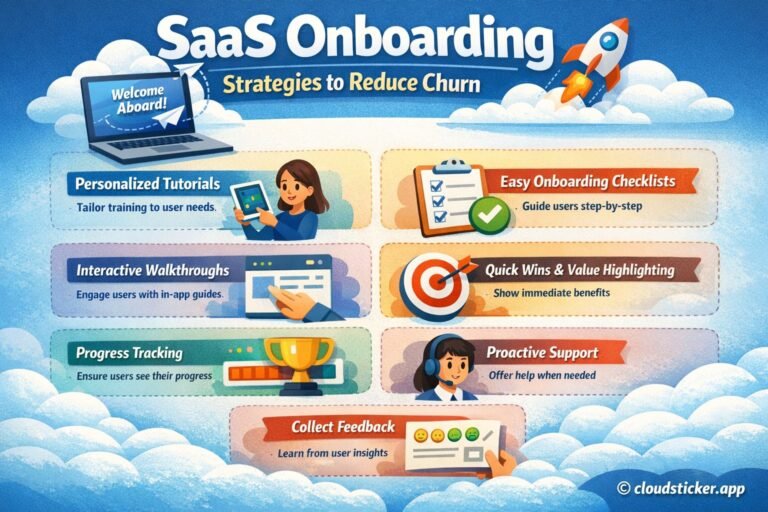
Onboarding is a critical phase in the customer journey that sets the tone for long-term relationships. A seamless onboarding experience helps users quickly understand how to utilize the software effectively, minimizing frustration and confusion. Providing personalized onboarding sessions, tailored to the specific needs of different customer segments, can enhance user adoption and satisfaction from the outset.
Incorporating multimedia resources, such as tutorial videos, interactive walkthroughs, and FAQs, can cater to various learning styles and preferences. This diverse approach helps customers become proficient in using the software more quickly, ensuring they experience value early on. Additionally, regular follow-ups during the onboarding process allow for adjustments based on individual user feedback, enhancing the overall experience.
Moreover, involving customers in co-creation during the onboarding phase can foster a sense of ownership and investment in the product. Gathering feedback on the onboarding materials and processes allows for continuous improvement and demonstrates that the company values customer input. Finding ways to engage customers from day one creates a strong foundation for lasting loyalty, ultimately reducing churn.
Utilizing Customer Feedback to Drive Retention Initiatives
Customer feedback is a goldmine for creating effective retention strategies. Regularly soliciting feedback through surveys provides insights into customer experiences, preferences, and pain points. By analyzing this data, companies can identify trends and areas for improvement, which can inform product development and customer engagement strategies. For instance, if multiple customers express frustration with a specific feature, addressing this issue can prevent churn.
In addition to direct feedback, monitoring social media and online reviews can offer a broader understanding of customer sentiment. Engaging with customers on these platforms shows that the company values their opinions and is committed to continuous improvement. By responding promptly to both positive and negative feedback, businesses can strengthen their relationships and mitigate the risk of churn.
Furthermore, leveraging feedback to implement iterative changes enhances the overall customer experience. For example, if customers indicate a desire for more training resources, providing additional webinars or knowledge base articles can empower them to utilize the software more effectively. This responsiveness not only builds trust but also reinforces the idea that customer satisfaction is a priority, further driving retention.
Personalization Techniques That Boost Customer Loyalty
Personalization is a powerful tool for enhancing customer loyalty in the SaaS industry. By tailoring the user experience based on individual preferences and behaviors, companies can create more relevant interactions that resonate with customers. Utilizing data analytics to segment users enables businesses to deliver targeted content, recommendations, and offers, fostering a deeper connection with the brand.
Another effective personalization technique is to provide custom dashboards or user interfaces that align with each customer’s unique needs. Allowing users to customize their experience not only makes them feel valued but also encourages them to engage with the product on a more profound level. This approach can lead to increased satisfaction and a lower likelihood of churn.
Additionally, personalized communication—such as targeted emails based on usage patterns or milestones—can keep customers engaged and informed. Recognizing anniversaries or major achievements within the software can make customers feel appreciated and motivate further usage. By consistently delivering personalized experiences, SaaS companies can cultivate a loyal customer base less prone to churn.
Leveraging Data Analytics to Predict Churn Patterns
Data analytics plays a crucial role in predicting churn patterns, enabling companies to take proactive measures. By analyzing historical customer data, businesses can identify factors that contribute to churn and develop predictive models. For instance, factors such as decreased usage, lack of engagement, or negative feedback can signal an increased risk of churn, allowing companies to intervene before it happens.
Implementing machine learning algorithms can enhance the accuracy of churn prediction. These algorithms can sift through vast amounts of data to identify patterns that may not be immediately apparent. For example, if specific user behaviors correlate with churn, companies can adjust their engagement strategies accordingly, targeting at-risk customers with tailored interventions.
Moreover, visualizing churn data through dashboards can provide stakeholders with actionable insights. By regularly monitoring these metrics, SaaS businesses can make data-driven decisions about resource allocation, customer engagement efforts, and product development. This proactive approach helps companies stay ahead of potential churn, fostering long-term customer success.
Actionable Tips for Sustaining Long-Term Customer Success
To sustain long-term customer success, companies should focus on implementing a few key strategies. Firstly, establishing a customer success team dedicated to ensuring clients achieve their desired outcomes with the product can create a supportive environment. This team should regularly check in with customers, provide training, and offer tailored solutions to meet their evolving needs.
Secondly, fostering a culture of continuous improvement is essential. Encouraging customer feedback and acting upon it demonstrates a commitment to service excellence. Companies that prioritize customer needs and adapt their offerings accordingly are more likely to build trust and loyalty, reducing the risk of churn.
Lastly, investing in ongoing education and resources can empower customers to maximize the value of the product. Regularly updating customers with new features, best practices, and success stories fosters a sense of community and encourages users to engage with the product more deeply. By focusing on these actionable tips, SaaS businesses can create a robust framework for sustaining long-term customer success.
In a competitive SaaS landscape, reducing churn is crucial for maintaining a strong customer base and fostering growth. By implementing effective playbooks focused on customer engagement, personalized experiences, and leveraging data analytics, businesses can significantly enhance customer retention. This not only leads to increased revenue but also builds a loyal community around their products.
Hashtags: #SaaS #CustomerRetention #ChurnReduction #DataAnalytics #CustomerEngagement
Call to Action: For more insights on customer retention strategies, visit HubSpot’s Customer Success Resource.