Proven SaaS Customer Segmentation That Drives Conversions
In the competitive landscape of Software as a Service (SaaS), understanding your customer base is not just beneficial; it is essential for driving conversions. Customer segmentation allows you to identify distinct groups within your audience, tailoring your marketing efforts to better meet their specific needs. This approach goes beyond mere demographics, delving into behaviors, preferences, and engagement patterns to create a more effective sales strategy. In this article, we’ll explore proven methods of SaaS customer segmentation and how they can significantly enhance your conversion rates.
Understanding the Importance of Customer Segmentation in SaaS
The concept of customer segmentation is foundational in marketing, particularly in the SaaS sector. By breaking down your audience into meaningful groups, you gain insights into their unique challenges and goals. This understanding allows for targeted messaging that resonates with each segment, ultimately leading to higher conversion rates. For instance, a business offering project management tools may find that small firms have different needs than large corporations, necessitating distinct marketing approaches.
Moreover, segmentation can improve customer retention. When you tailor your services to meet the specific needs of each segment, you create a more personalized experience that keeps customers engaged over time. This is particularly important in SaaS, where subscription models rely on ongoing customer loyalty. By leveraging segmentation, companies can identify at-risk customers and take proactive measures to retain them, such as offering tailored support or targeted promotions.
Finally, effective customer segmentation can enhance product development. By understanding the different needs and pain points of your customer segments, you can prioritize features that will provide the most value. This informed approach not only helps retain existing customers but also attracts new ones who see that your software evolves in line with their needs. In essence, effective segmentation serves as a cornerstone for strategic growth in the SaaS industry.
Key Segmentation Strategies for Maximizing Engagement
To maximize engagement and conversions, companies must adopt specific segmentation strategies. One effective method is demographic segmentation, which categorizes customers based on age, gender, income, and education level. This information allows businesses to craft promotions that speak directly to the interests of each demographic group, increasing the likelihood of engagement. For example, targeting millennials with social media campaigns can be more effective than traditional outreach methods.
Another essential strategy is psychographic segmentation, which goes beyond demographics to understand the attitudes, values, and lifestyles of your audience. This type of segmentation helps businesses identify how their products align with customer values, creating deeper emotional connections. For SaaS companies, understanding whether a target segment values innovation, reliability, or cost-effectiveness can shape marketing messages and product features that resonate on a personal level.
Behavioral segmentation also plays a crucial role in maximizing engagement. By analyzing user activity data, companies can group customers based on their behavior, such as purchase history, app usage, and feature engagement. This data-driven approach helps identify high-value customers and those who may require additional nurturing. Implementing targeted email campaigns for users who frequently engage with certain features can lead to higher conversion rates, as these users already show interest in what you offer.
Analyzing Customer Behavior for Effective Targeting
Understanding customer behavior is vital for effective targeting. Analytics tools can provide insights into how customers interact with your product, revealing which features are utilized most and what challenges they face. By analyzing this data, businesses can create segments that reflect not just who the customers are, but how they use the product. This deep understanding enables you to serve relevant content and messages that cater to specific actions, increasing the likelihood of conversions.
Surveys and feedback forms also play a critical role in this analysis. Gathering qualitative data from customers can provide insights into their motivations, preferences, and pain points. This information is invaluable for refining customer segments. For instance, if a segment reveals that a group is struggling with a particular feature, addressing those concerns in your communications can enhance customer satisfaction and drive conversions.
Additionally, monitoring customer churn rates can inform your segmentation efforts. By identifying which segments show higher rates of churn, you can investigate the underlying causes and implement targeted retention strategies. For example, if small business clients are leaving at higher rates, you might need to adjust your pricing model or offer additional resources tailored specifically to their needs.
Tools and Techniques for SaaS Customer Segmentation
In the realm of SaaS, there are numerous tools and techniques available to assist with customer segmentation. Customer Relationship Management (CRM) systems, such as Salesforce or HubSpot, provide robust capabilities for tracking customer interactions and behaviors. These platforms enable businesses to categorize customers based on multiple criteria, from demographics to purchasing behavior, facilitating targeted marketing efforts.
Data analytics tools like Google Analytics and Mixpanel offer insights into user behavior on your platform. They allow you to identify usage patterns, retention rates, and feature engagement. By leveraging such tools, you can create segments based on real-time data, ensuring your marketing strategies are informed by actual user behavior rather than assumptions.
Additionally, marketing automation software like Mailchimp or Marketo can streamline your segmentation process. These platforms allow you to set up automated campaigns that target specific segments with personalized content. By integrating your CRM and analytics tools with automation software, you can create a seamless workflow that enhances your ability to engage different customer segments effectively.
Real-World Examples of Successful Segmentation in SaaS
Several SaaS companies have successfully implemented customer segmentation strategies that have driven conversions. One notable example is HubSpot, which uses tiered pricing models based on company size and needs. By segmenting their audience into small, medium, and large businesses, HubSpot tailors its offerings to meet the specific needs of each group. This targeted approach has resulted in higher conversion rates and customer satisfaction.
Another success story is Slack, which segments its users based on team size and industry. By understanding the unique needs of various industries such as technology, healthcare, and education, Slack tailors its marketing messages and feature sets accordingly. This customization has not only enhanced user engagement but has also positioned Slack as a leader in the team collaboration space.
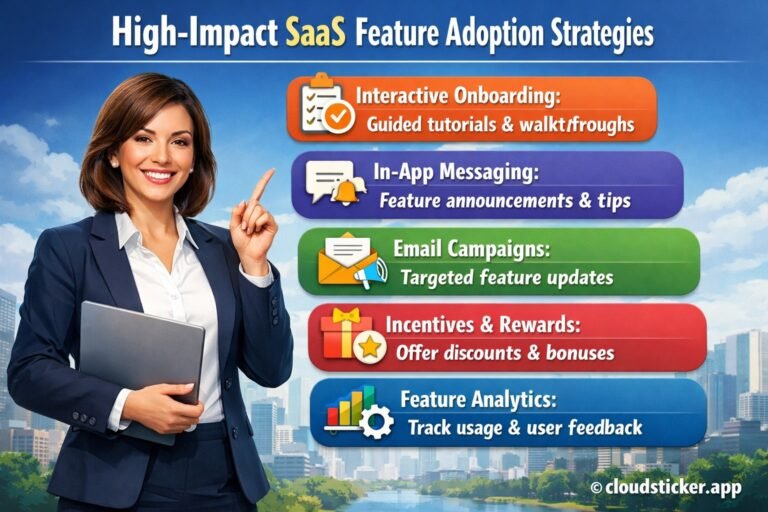
Finally, Canva effectively utilizes behavioral segmentation to drive user engagement. By analyzing how users interact with their platform, Canva identifies high-engagement users and tailors email campaigns to encourage further usage. For instance, if a user frequently creates infographics, Canva may send targeted tips and templates to enhance the user experience. This level of personalization helps to drive conversions and increases user retention.
Measuring the Impact of Segmentation on Conversions
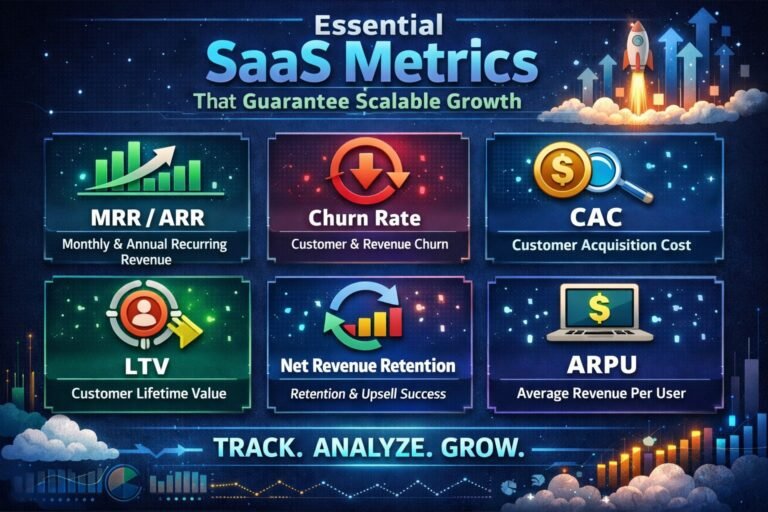
To measure the effectiveness of your customer segmentation efforts, it is essential to track key performance indicators (KPIs) that align with your business goals. Metrics such as conversion rates, customer acquisition costs, and customer lifetime value can provide insights into how well your segmentation strategies are performing. By analyzing these KPIs, you can determine which customer segments yield the highest returns and adjust your marketing strategies accordingly.
A/B testing is another powerful tool for measuring the impact of segmentation. By creating variations of marketing campaigns tailored to specific segments, you can monitor which version performs better. This data-driven approach allows you to refine your strategies continually, ensuring you’re effectively targeting the right customers with the right messages.
Moreover, customer feedback should also be considered a metric for measuring the impact of segmentation. Conducting regular surveys to gauge customer satisfaction can provide valuable insights into how well your offerings are meeting the needs of different segments. By combining quantitative data with qualitative feedback, businesses can develop a comprehensive understanding of the effectiveness of their segmentation strategies.
Tailoring Marketing Campaigns to Different Segments
Once you’ve established your customer segments, the next step is to tailor your marketing campaigns accordingly. Personalization is key; customers are more likely to engage with content that speaks directly to their needs and preferences. For example, if you segment your audience based on industry, you can create targeted content that addresses challenges specific to that industry, enhancing the effectiveness of your campaigns.
Email marketing is an effective channel for tailored campaigns. By segmenting your email list, you can send personalized messages that resonate with each audience group. For instance, a SaaS company may create different email templates for small businesses versus large enterprises, highlighting features and benefits that matter most to each segment. This personalized approach increases open rates and encourages higher engagement, leading to improved conversion rates.
Additionally, utilizing social media platforms to reach specific segments can amplify your marketing efforts. By creating targeted ads based on user demographics, behaviors, and interests, you can ensure your message reaches the right audience. This targeted advertising approach can significantly increase click-through rates, driving potential customers to your website and boosting conversions.
Best Practices for Continuous Segmentation and Optimization
Customer segmentation is not a one-time activity; it requires ongoing analysis and optimization. Regularly reviewing and refining your segments based on new data and changing market conditions is vital for staying competitive. Incorporating feedback loops, such as customer surveys and performance metrics, can help you identify areas for improvement and adapt your strategies accordingly.
Another best practice is to segment your audience dynamically. As customer behavior changes over time, so too should your segments. Leveraging machine learning algorithms can automate this process, allowing you to stay ahead of trends and ensure your segmentation remains relevant. By continuously adapting your segments based on real-time data, you can maintain a competitive edge and enhance conversion rates.
Finally, fostering a culture of collaboration between marketing and sales teams can further enhance your segmentation efforts. By sharing insights and strategies, both teams can align their goals and messaging, ensuring a consistent approach across all customer touchpoints. This collaborative effort can lead to improved customer experiences and ultimately drive higher conversion rates.
In the rapidly evolving SaaS landscape, effective customer segmentation is more than just a marketing strategy—it is a critical component of business success. By understanding your customers on a granular level, employing targeted strategies, and utilizing the right tools, you can significantly boost conversions and enhance customer satisfaction. The time invested in refining your segmentation efforts will pay off, driving growth and ensuring long-term success in a competitive market.
Meta Description: Explore proven SaaS customer segmentation strategies that enhance conversions, engagement, and overall customer satisfaction.
Tags: SaaS, customer segmentation, marketing strategy, conversion optimization, user engagement, CRM tools, analytics, marketing automation, personalized marketing, retention strategies
Hashtags: #SaaS #CustomerSegmentation #MarketingStrategy #ConversionOptimization #UserEngagement
Call to Action: For more insights on SaaS marketing strategies, visit HubSpot.