SaaS Growth Frameworks That Deliver Predictable Results
In today’s fast-paced digital landscape, Software as a Service (SaaS) has emerged as a dominant business model for enterprises seeking to enhance efficiency, reduce costs, and drive growth. Yet, with this rapid evolution comes complexities that can often hinder scalability and profitability. For organizations navigating this intricate marketplace, implementing effective growth frameworks is crucial. This article delves into the SaaS growth frameworks that deliver predictable results, enabling enterprises to align their strategies with business objectives and foster sustainable long-term growth.
Understanding the SaaS Growth Landscape for Enterprises
The SaaS growth landscape is characterized by rapid innovation and an increasingly competitive market environment. Enterprises are continually looking for tools and solutions that can streamline operations, enhance customer relationships, and drive revenue. However, a one-size-fits-all approach does not exist. Each organization must tailor its growth strategy to meet specific needs, market conditions, and customer demands.
Market research indicates that the global SaaS market is expected to reach $300 billion by 2025, making it imperative for businesses to adopt frameworks that not only accelerate growth but also ensure predictability. This necessitates a deep understanding of customer behaviors, industry trends, and technological advancements. Key players in the SaaS market are using a range of methodologies, from agile development to customer-centric service models, to achieve sustainable growth.
Moreover, the integration of emerging technologies such as artificial intelligence and machine learning is reshaping how enterprises approach SaaS growth. By leveraging data analytics and predictive modeling, organizations can make informed decisions that lead to scalable success. Understanding these dynamics is the first step toward building a robust SaaS growth framework that aligns with enterprise objectives.
Key Metrics to Measure SaaS Growth Effectively
To gauge the success of SaaS growth initiatives, organizations must focus on specific metrics that provide actionable insights. Key Performance Indicators (KPIs) such as Monthly Recurring Revenue (MRR), Customer Acquisition Cost (CAC), and Customer Lifetime Value (CLTV) are essential for assessing financial health and customer satisfaction. Monitoring these metrics allows enterprises to make data-driven decisions and optimize marketing efforts.
MRR is a critical metric that indicates the consistent revenue generated each month, providing a clear view of financial stability and growth potential. Tracking this metric helps businesses forecast future revenues, enabling better budgeting and resource allocation. Additionally, understanding CAC — the cost incurred to acquire a new customer — is vital for evaluating the efficiency of marketing strategies and sales efforts.
CLTV, on the other hand, offers insights into the long-term value of a customer relationship. By calculating CLTV, organizations can strategize on retention efforts, ensuring that they invest appropriately in customer support and engagement initiatives. Ultimately, focusing on these key metrics creates a foundation for measuring SaaS growth effectively, allowing enterprises to identify areas for improvement and capitalize on opportunities.
Essential Frameworks for Predictable SaaS Growth
Several frameworks have proven effective in driving predictable growth for SaaS companies. One of the most recognized is the "AARRR" framework, which stands for Acquisition, Activation, Retention, Referral, and Revenue. This model helps businesses understand the customer journey from initial contact through to loyalty. By optimizing each stage, organizations can create a seamless experience that fosters growth and enhances customer satisfaction.
Another crucial framework is the "Lean Startup" methodology, which emphasizes rapid experimentation and iteration. This approach encourages organizations to test hypotheses, gather feedback, and pivot as necessary. By prioritizing agility, enterprises can quickly adapt to changing market conditions and customer preferences, leading to sustainable growth. Startups and established companies alike have successfully utilized this framework to streamline operations and enhance product offerings.
Moreover, the "Customer Success" framework emphasizes the importance of client relationships in driving growth. This proactive approach focuses on ensuring that customers achieve their desired outcomes while using the product or service. By investing in customer success initiatives, organizations can increase retention rates, boost customer satisfaction, and ultimately drive predictable revenue growth.
Aligning Your SaaS Strategy with Business Objectives
For SaaS growth frameworks to be effective, they must be closely aligned with broader business objectives. This requires a clear understanding of the organization’s mission, vision, and goals. By aligning growth strategies with these elements, enterprises can ensure that all team members are working toward a common purpose, fostering collaboration and minimizing silos.
One effective way to align SaaS strategies with business objectives is through regular strategy reviews. By holding quarterly or monthly meetings to evaluate the effectiveness of growth initiatives, organizations can assess their alignment with overarching business goals. This process allows teams to adjust their tactics as needed, ensuring a cohesive approach to growth that reflects organizational priorities.
Additionally, leveraging cross-functional teams can enhance alignment between SaaS strategies and business objectives. By incorporating input from various departments — including marketing, sales, and customer support — organizations can create well-rounded strategies that consider all facets of the customer journey. This collaborative approach not only drives predictable growth but also fosters a culture of innovation and responsiveness.
Implementing Data-Driven Decisions in SaaS Growth
In the age of big data, making informed decisions is paramount for SaaS growth. Data-driven decision-making involves collecting, analyzing, and interpreting data to guide strategies and initiatives. By leveraging analytics tools, organizations can gain insights into customer behaviors, market trends, and operational efficiencies — all of which contribute to more effective growth strategies.
One practical method for implementing data-driven decisions is through the creation of dashboards that visualize key metrics. These dashboards can provide real-time insights into MRR, CAC, and CLTV, enabling teams to monitor performance and identify trends quickly. By democratizing access to data across the organization, all team members can contribute to data-driven discussions and decisions, fostering a culture of accountability.
Moreover, A/B testing is an invaluable tool for refining strategies based on data insights. By conducting experiments with different marketing messages or product features, organizations can identify what resonates most with their customers. This iterative process allows for continuous improvement, ultimately leading to more predictable growth outcomes.
Best Practices for Scaling Your SaaS Operations
Scaling SaaS operations requires careful planning and execution to ensure sustainable growth. One best practice is to leverage automation wherever possible. By automating repetitive tasks such as onboarding, billing, and customer communications, organizations can free up resources and focus on strategic initiatives that drive growth. This efficiency not only lowers operational costs but also enhances the customer experience.
Another essential best practice is to prioritize customer feedback. Regularly soliciting input through surveys, focus groups, or user testing can provide valuable insights into customer needs and preferences. By acting on this feedback, organizations can adapt their offerings to meet changing market demands, ultimately driving customer satisfaction and loyalty.
Additionally, maintaining a strong company culture is critical during periods of growth. As organizations scale, it’s vital to communicate core values and ensure that all employees understand their roles in achieving growth objectives. Fostering an inclusive and supportive workplace culture can enhance employee engagement and productivity, leading to better overall performance.
Overcoming Common Challenges in SaaS Growth
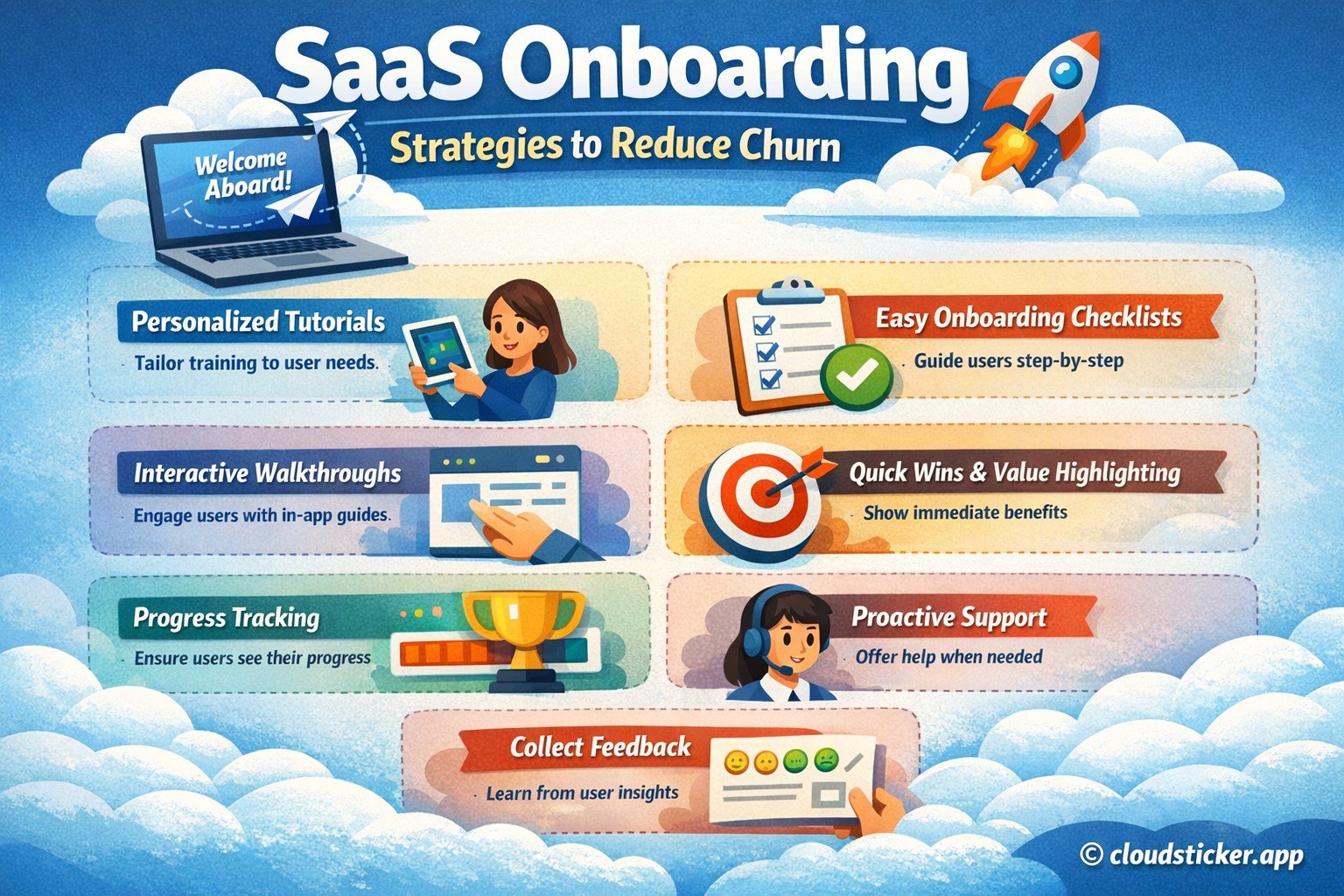
While the potential for SaaS growth is significant, organizations often face challenges that can hinder progress. One common issue is customer churn, where clients discontinue their subscriptions. High churn rates can cripple growth efforts, making it essential for enterprises to implement strategies to enhance retention. This may include improving customer support, integrating feedback mechanisms, or offering loyalty programs.
Another challenge is scaling customer acquisition efforts. As organizations grow, they may find that their previous marketing strategies no longer yield the same results. It’s essential to continually evaluate and refine marketing tactics to target the right audience effectively. Utilizing data analytics to identify high-value customer segments can help organizations focus their efforts and resources where they will have the most impact.
Finally, maintaining product quality during rapid growth can be a challenge. As enterprises scale, they must ensure that their offerings meet customer expectations. Regular quality assurance checks, user feedback loops, and continuous improvement initiatives can help maintain product quality while pursuing growth objectives. By addressing these challenges head-on, organizations can position themselves for sustainable success in the SaaS landscape.
Future Trends in SaaS Growth Frameworks to Watch
As the SaaS industry continues to evolve, several trends are emerging that organizations should watch closely. One significant trend is the increasing importance of personalization in customer interactions. As consumers become more accustomed to tailored experiences, SaaS companies must harness data to deliver personalized solutions that resonate with individual customers. This trend is expected to drive customer loyalty and retention as businesses focus on meeting specific client needs.
Another trend is the rise of integrations and partnerships. Many SaaS companies are joining forces with other service providers to offer comprehensive solutions that enhance customer value. These collaborations can help organizations expand their service offerings, reach new markets, and provide customers with seamless experiences across various platforms.
Finally, the adoption of artificial intelligence and machine learning in SaaS growth frameworks is likely to become more prevalent. These technologies can enhance analytics capabilities, automate customer interactions, and improve decision-making processes. By embracing AI and machine learning, organizations can gain a competitive edge in the market, driving predictable growth in an increasingly complex landscape.
Implementing effective SaaS growth frameworks is essential for organizations seeking to achieve sustainable success in a rapidly changing marketplace. By understanding key metrics, aligning strategies with business objectives, and leveraging data-driven decision-making, enterprises can navigate challenges and capitalize on growth opportunities. As the SaaS landscape continues to evolve, staying informed about emerging trends and best practices will empower organizations to thrive and deliver predictable results.
Meta Description: Discover SaaS growth frameworks that drive predictable results, focusing on metrics, strategies, and emerging trends for sustainable success in enterprises.
Tags: SaaS growth, business strategy, customer retention, data-driven decisions, SaaS metrics, automation, AI in SaaS, customer success, enterprise solutions, scaling operations
Hashtags: #SaaS #BusinessGrowth #CustomerSuccess #DataDriven #EnterpriseSolutions
External Source: Explore more on SaaS growth strategies at SaaS Mag.