High-Performance SaaS Pricing Models That Increase Revenue
Research, frameworks and practical perspectives for the people building, managing and scaling software businesses.
High-performance pricing models are essential for Software as a Service (SaaS) companies looking to maximize their revenue potential. In a competitive landscape where customer expectations and market dynamics continuously evolve, choosing the right pricing strategy is crucial for long-term success. This article explores various SaaS pricing models and their impact on revenue, focusing on actionable insights for corporate enterprises looking to refine their approach.
Understanding SaaS Pricing Models for Maximum Revenue Impact
Choosing the right pricing model is the cornerstone of a successful SaaS business. There are several established models, including subscription-based, tiered, freemium, and usage-based pricing. Each model has its own advantages and disadvantages, impacting customer acquisition, retention, and overall profitability. The goal is to align your pricing strategy with your target audience’s needs and the value your software provides. This is part of a wider revenue model; our SaaS revenue optimization guide explores how pricing decisions affect commercial performance. By understanding the nuances of these pricing models, companies can position themselves for growth, driving not only initial sales but also long-term loyalty.
In a subscription model, customers pay a recurring fee to access the service. This predictable revenue stream is highly attractive, allowing companies to plan their financials more effectively. However, this model can lead to stagnation if pricing is not revisited regularly. Companies must continually analyze customer engagement and value perception to ensure their pricing remains competitive and justifiable. This is where the significance of customer feedback and market trends come into play, helping refine pricing strategies to meet evolving expectations.
Another popular approach is tiered pricing, which presents multiple plans with varying levels of features and support. This model caters to a diverse customer base, allowing businesses to capture different segments of the market. For instance, startups might opt for a basic plan, while larger enterprises may require a more robust offering. Effective tiered pricing requires continuous monitoring of customer usage patterns and competitive pricing analysis, ensuring that each tier delivers compelling value. By optimizing this model, SaaS businesses can effectively increase revenue while enhancing customer satisfaction.
The Importance of Value-Based Pricing in SaaS Success
Value-based pricing focuses on setting prices based on the perceived value delivered to customers rather than solely on costs or competitor pricing. This approach allows businesses to capture a larger share of the value they create, leading to higher revenues. Understanding customer pain points, needs, and the ROI of your solution is critical for implementing a value-based pricing model. By aligning your pricing with the value perceived by the customer, you foster a deeper connection and enhance the willingness to pay for your service. To assess whether that value translates into sustainable margins, consider the measures in our SaaS unit economics checklist.
For SaaS companies, implementing a value-based pricing model requires a comprehensive understanding of your target customers. Conducting thorough market research and gathering customer feedback can provide valuable insights into the features and benefits they value most. This information can be translated into pricing structures that not only reflect the value provided but also differentiate the product in a crowded marketplace. The more effectively a company can communicate this value, the more likely customers are to perceive the product as essential, leading to increased revenue and retention.
A practical example of value-based pricing in action can be seen in companies that offer features like advanced analytics or integrations with other tools. By understanding the unique needs of high-tier clients, SaaS businesses can establish a higher price point that reflects the additional value delivered. Furthermore, this strategy often leads to increased customer loyalty, as businesses that feel they are receiving tangible benefits are less likely to switch to a competitor. By focusing on value, SaaS companies can cultivate a premium brand image and command higher prices, boosting overall profitability.
Tiered Pricing Strategies: Catering to Diverse Customer Needs
Tiered pricing is a versatile strategy that allows SaaS companies to address the diverse needs of their customer base. By offering multiple pricing tiers, businesses can cater to a wide range of budgets, from startups to large enterprises. Each tier typically includes a different level of features, support, and services, making it easier for customers to select a plan that aligns with their specific requirements. This flexibility not only captures different customer segments but also encourages upselling as customers grow and their needs evolve.
Implementing a tiered pricing model requires a clear understanding of your customer segments and their varying needs. For example, a basic plan might provide essential features suitable for smaller businesses, while a premium plan could offer advanced capabilities that large enterprises require for their operations. It is crucial to communicate the distinct value propositions of each tier clearly. This ensures customers can see the benefits of upgrading, thereby increasing the likelihood of them moving to higher price points.
Additionally, monitoring customer feedback and performance metrics is essential for refining your tiered pricing strategy. Analyzing which features are most frequently utilized or requested can help identify opportunities for new tiers or adjustments to existing ones. This iterative approach to pricing allows SaaS companies to remain agile and responsive to market demands. By continuously optimizing their tiered offerings, businesses can enhance customer satisfaction and drive incremental revenue growth.
Subscription Models: Balancing Revenue and Customer Retention
Subscription-based pricing models are widely embraced in the SaaS industry due to their ability to generate predictable revenue streams. This model appeals to customers as it allows for budget-friendly payments and ongoing access to tools that evolve over time. However, the challenge for SaaS companies is to ensure that their subscription offerings are not only attractive at the outset but also compelling enough to retain customers over the long term. Continuous value delivery and customer engagement are essential components for successful subscription management.
To maximize retention in a subscription model, businesses must invest in customer success initiatives. These could include onboarding programs, regular check-ins, and proactive support to prevent churn. By establishing a strong relationship with customers and ensuring they fully utilize the software, companies can foster loyalty and increase the lifetime value of each account. Offering incentives for long-term commitments, such as discounts for annual subscriptions, can also encourage customers to remain engaged and invested in the service.
Moreover, monitoring key performance indicators (KPIs) related to customer retention, such as churn rate and customer satisfaction scores, is vital for understanding the effectiveness of your subscription model. Regularly evaluating these metrics will provide insights into areas for improvement and help to identify potential pain points that may lead to churn. By leveraging customer feedback and data analytics, SaaS businesses can make informed adjustments, ensuring their subscription model remains aligned with customer expectations and market trends.
Freemium vs. Paid Plans: Finding the Right Balance
The freemium model has gained traction in the SaaS industry as a strategy to attract new users by offering a basic version of the product for free. This approach enables potential customers to experience the software without any financial commitment, lowering the barrier to entry. For some companies, this can lead to a significant increase in user acquisition. However, the challenge lies in effectively converting these free users into paying customers. Striking a balance between providing enough value in the free plan while motivating users to upgrade is crucial for revenue growth.
To successfully implement a freemium model, SaaS businesses must clearly define the features and benefits included in both free and paid plans. Free users should experience enough value to see the potential of the full offering, but limitations should exist that encourage upgrades. For example, offering limited storage, fewer integrations, or reduced customer support can entice users to opt for a paid plan once they see the utility of the product in their workflow. It’s important to consistently communicate the advantages of upgrading, emphasizing the added value they’ll receive.
Additionally, ongoing engagement strategies can help improve conversion rates from freemium to paid plans. Regularly reaching out to free users with tips, product updates, and success stories can enhance their experience and encourage them to consider upgrading. Additionally, incorporating features like in-app notifications or emails aimed at highlighting premium features can motivate users to transition to paid plans. By analyzing user behavior and refining the freemium offering, SaaS companies can optimize their conversion rates and boost revenue significantly.
Usage-Based Pricing: Aligning Costs with Customer Value
Usage-based pricing has emerged as a compelling alternative for SaaS companies looking to align their revenue model with the actual value delivered to customers. This model charges customers based on their usage of the service, making it particularly attractive for those who may be hesitant to commit to a fixed subscription. For businesses that experience fluctuating needs, usage-based pricing can be a game-changer, offering flexibility and scalability that aligns well with customer expectations.
To implement a successful usage-based pricing model, SaaS companies must have robust tracking and analytics capabilities. Understanding how customers interact with the software helps in setting appropriate pricing tiers based on usage patterns. For instance, a cloud storage service might charge a base fee for access, with additional charges based on storage used or data transfer. This pricing model requires a transparent approach, ensuring customers understand how they are being billed and the factors influencing their costs.
Furthermore, aligning pricing with customer value can foster stronger relationships. Customers are more likely to feel satisfied when they only pay for what they use, leading to increased trust and long-term retention. Businesses should consider incorporating a cap on usage fees or implementing loyalty discounts for heavy users to further enhance satisfaction. By continually analyzing usage data, SaaS companies can refine their pricing structures, ensuring they remain competitive while maximizing revenue from their offerings.
Implementing Dynamic Pricing in a Competitive Market
Dynamic pricing is an advanced strategy that leverages real-time data and market conditions to adjust pricing on-the-fly. This approach can be particularly beneficial in a competitive SaaS landscape, where customer demands and market conditions can change rapidly. By analyzing various factors, including customer behavior, market trends, and competitor pricing, SaaS companies can optimize their pricing for maximum revenue impact. However, dynamic pricing requires careful implementation to avoid alienating existing customers.
To effectively implement dynamic pricing, companies need to invest in sophisticated analytics tools capable of processing vast amounts of data. These tools can provide insights into customer segments, helping businesses identify when and how to adjust prices. For instance, if a key competitor lowers their pricing, a SaaS company may choose to offer a temporary discount to remain competitive. Additionally, seasonal trends or special promotions can also be factored into pricing decisions, allowing companies to capitalize on increased demand during certain periods.
However, transparency is crucial when employing dynamic pricing. Customers need to understand the rationale behind price fluctuations to maintain trust and satisfaction. Clear communication regarding pricing changes and the value derived from upgraded features can help mitigate any potential dissatisfaction. Additionally, implementing safeguards, such as price caps for existing customers or limits on how frequently prices can change, can create a more stable environment for users, fostering loyalty over time.
Analyzing and Optimizing Your Pricing for Continuous Growth
The final piece of the puzzle in a high-performance SaaS pricing strategy is the ongoing analysis and optimization of pricing structures. Regularly reviewing and refining pricing models based on customer feedback, competitive analysis, and market trends is essential for maintaining a competitive edge. Continuous monitoring of key metrics, such as customer acquisition costs, lifetime value, and churn rates, provides valuable insights that can inform pricing strategies and identify areas for improvement.
An effective approach to pricing optimization involves A/B testing—experimenting with different price points and offerings to gauge customer response. By analyzing conversion rates and customer feedback related to various pricing iterations, companies can make data-driven decisions about what works best for their market. This iterative process allows businesses to stay agile and responsive to changing customer needs.
Furthermore, soliciting direct feedback from customers regarding pricing can yield significant insights. Conducting surveys or interviews can help businesses understand how customers perceive value and what factors influence their purchasing decisions. This qualitative data, combined with quantitative metrics, can provide a holistic view that informs pricing strategy. By embracing a culture of continuous improvement around pricing, SaaS companies can ensure their models remain relevant and effective in driving revenue growth.
For the wider financial context behind subscription pricing, revenue recognition and recurring revenue management, consult our SaaS Billing & RevOps blueprint.
High-performance SaaS pricing models play a crucial role in maximizing revenue and customer satisfaction. By understanding various pricing strategies, such as value-based, tiered, freemium, and usage-based models, organizations can cater to their diverse customer needs effectively. Ongoing analysis and optimization of pricing structures are essential for maintaining competitiveness in a rapidly evolving market, ensuring that SaaS businesses not only attract customers but also retain them for the long haul.
Tags: SaaS pricing models, revenue growth, value-based pricing, tiered pricing, subscription models, freemium strategy, usage-based pricing, dynamic pricing, customer retention, pricing optimization
External Source: For further insights on pricing strategies, check out this article from McKinsey: https://www.mckinsey.com/business-functions/marketing-and-sales/our-insights/how-to-set-prices-for-saas-products
The Cloudsticker perspective
Explore the systems behind SaaS performance.
Go deeper with our connected frameworks for strategy, growth, revenue operations, product, infrastructure and scaling.
Similar Posts
Revenue-Driven SaaS Marketing Architectures That Scale
Discover strategies to build scalable, revenue-driven SaaS marketing architectures. Unlock growth and drive success in your organization.
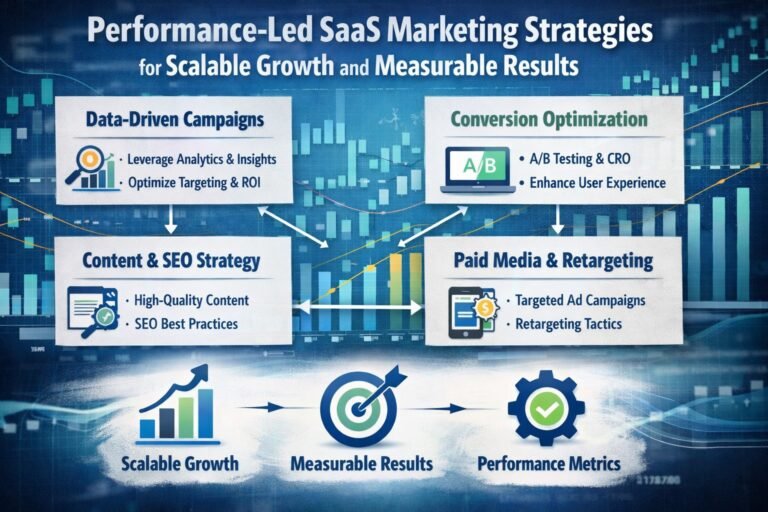
Performance-Led SaaS Marketing Strategies for Scalable Growth and Measurable Results
Unlock growth with performance-led SaaS marketing strategies.
High-Converting SaaS Copywriting Techniques That Sell
Unlock powerful SaaS copywriting strategies that drive sales.
Category-Leading SaaS Positioning That Crushes Competition
Master category-leading SaaS strategies to outpace competitors.
Powerful SaaS Referral Programs That Drive Viral Growth
Drive exponential SaaS growth with referral programs: simple sharing, rewarding incentives, data-driven metrics, and real-world case studies for growth.
Full-Funnel SaaS Marketing Systems That Drive Pipeline
Unlock the power of full-funnel strategies for SaaS success.