Tag: data analysis

  • SaaS Customer Intelligence Strategies: How to Turn Data into Actionable Insights

    SaaS Customer Intelligence Strategies: How to Turn Data into Actionable Insights

    SaaS Customer Intelligence Strategies are becoming crucial for organizations aiming for sustainable growth and customer satisfaction. In the ever-evolving SaaS landscape, understanding customer behavior and preferences can set companies apart from their competition. This article delves into the essential strategies, tools, and cultural shifts necessary to implement effective customer intelligence frameworks.

    Understanding SaaS Customer Intelligence Strategies

    Insight-led strategies in SaaS customer intelligence leverage data-driven approaches to understand customer needs and behaviors. These strategies prioritize actionable insights that not only inform product development but also enhance customer experiences and retention rates. By analyzing data from various sources like user interactions, feedback surveys, and market trends SaaS companies can create a holistic view of their customer base. This understanding allows for more personalized marketing, targeted product features, and ultimately, a stronger relationship with customers.

    The foundation of insight-led strategies is data integration, where information from disparate channels is consolidated for analysis. From CRM systems to customer support tickets, each data point contributes to a more nuanced understanding of customer interactions. This comprehensive data approach enables organizations to identify patterns, segment customers effectively, and tailor their offerings to meet diverse needs. Additionally, organizations can use predictive analytics to foresee potential customer behaviors, allowing them to act proactively rather than reactively.

    Furthermore, these strategies require a cultural shift within the organization. All teams from marketing and sales to product development should be aligned with the goals of understanding customer insights. This cross-functional collaboration ensures that the customer’s voice is considered at every stage, fostering an organizational culture focused on delivering value. By embedding insight-led strategies into the organizational DNA, SaaS companies can not only enhance their service offerings but also build long-term customer loyalty.

    Key Benefits of SaaS Customer Intelligence Strategies

    The primary benefit of implementing customer intelligence strategies is improved customer experience. By understanding what customers value, SaaS companies can tailor their offerings to meet specific needs, fostering a sense of personalization that enhances user satisfaction. This focused approach leads to increased customer retention, as users are more likely to remain loyal to a brand that understands and responds to their needs.

    In addition to improving customer experience, customer intelligence also drives revenue growth. With the ability to analyze customer purchasing behavior and preferences, SaaS companies can develop targeted marketing campaigns that resonate with their audience. By focusing on high-value customer segments and crafting personalized offers, organizations can maximize their return on investment. This increased revenue potential translates into a more sustainable business model, allowing companies to innovate and expand.

    Moreover, customer intelligence fosters data-driven decision-making. In the fast-paced SaaS industry, having timely and accurate data at one’s fingertips can be a game-changer. Organizations that utilize customer intelligence can pivot quickly based on insights gleaned from their customer base, whether it’s adapting to shifting market demands or optimizing product features. This agility helps SaaS companies stay competitive and relevant in a crowded market.

    Collecting and Analyzing Customer Data Effectively

    Effective collection and analysis of customer data is essential for maximizing the benefits of customer intelligence. Organizations should begin by defining clear objectives for what they want to achieve through data collection. This clarity ensures that the data collected is relevant and actionable. For instance, if the goal is to improve customer onboarding, tracking metrics like time-to-first-value and user engagement during the onboarding process can provide actionable insights.

    Once data collection objectives are established, organizations should utilize a variety of methods to gather data. Surveys, interviews, and customer feedback forms are traditional methods that can yield valuable qualitative insights. However, quantitative data from user interactions, behavioral analytics, and user activity logs can provide a more robust understanding of customer behavior. Integrating both qualitative and quantitative data sources creates a comprehensive picture of customer needs and preferences.

    After data collection comes the analysis phase, which is critical for deriving actionable insights. Using analytical tools and software, organizations can visualize data trends and identify patterns. Techniques such as cohort analysis, segmentation, and funnel analysis can help teams pinpoint strengths and weaknesses in the customer journey. By translating these analytical insights into actionable strategies such as refining marketing messages or enhancing product features SaaS companies can ensure their offerings align with customer expectations.

    Tools and Technologies to Enhance Customer Insight

    The tools and technologies available to enhance customer intelligence are vast and constantly evolving. Customer Relationship Management (CRM) systems are foundational, allowing organizations to manage customer interactions and data in one centralized location. Platforms like Salesforce or HubSpot provide comprehensive analytics features that help businesses track customer behavior, monitor engagement levels, and assess sales performance.

    Moreover, advanced analytics tools, such as Google Analytics, Mixpanel, and Amplitude, offer sophisticated tracking and reporting capabilities. These tools focus on user behavior analytics, providing insights on how customers interact with a product or service. By utilizing these analytics, organizations can identify high-performing features and areas requiring improvement, allowing for data-driven product enhancements.

    Additionally, customer feedback tools like SurveyMonkey or Typeform can facilitate the collection of qualitative data directly from users. These platforms help businesses gather insights on customer satisfaction, pain points, and feature requests. Integrating feedback mechanisms within the product itself, such as in-app surveys or feedback buttons, can streamline data collection and provide real-time insights, fostering a more agile response to customer needs.

    Implementing Actionable Customer Intelligence Insights

    Implementing actionable insights derived from customer intelligence is crucial for driving meaningful change within a SaaS organization. To do this effectively, companies need to establish a framework for prioritizing insights based on impact and feasibility. Insights should be categorized into quick wins and long-term projects, allowing organizations to capitalize on immediate opportunities while also planning for sustained growth.

    Once insights are prioritized, the next step is to translate them into specific actions. This might involve adjusting marketing strategies, refining product features, or enhancing customer support processes. For instance, if data indicates that users struggle with a specific feature, the product team should prioritize addressing this issue in the next product iteration. Additionally, marketing teams can use insights to craft targeted campaigns that resonate with identified customer segments.

    Furthermore, communication and alignment across departments are vital for successful implementation. Regular cross-functional meetings can ensure that all teams are on the same page regarding the insights and the corresponding actions. By fostering collaboration, organizations can create a unified approach to implementing customer intelligence insights, ultimately leading to improved customer experiences and business outcomes. Discover Email Marketing Strategies for SaaS: Proven Tactics to Increase Conversions

    Building a Customer-Centric Culture in SaaS Firms

    A customer-centric culture is one of the most valuable assets a SaaS company can cultivate. This culture prioritizes customer needs and fosters a mindset where every employee from the CEO to the support staff understands the importance of customer satisfaction. Emphasizing the value of customer insights across all levels of the organization can create a unified approach to meeting customer needs.

    To build this culture, organizations should invest in training and development programs that emphasize customer empathy and understanding. Workshops and seminars can help employees appreciate the customer journey and the impact their roles have on customer experiences. Furthermore, recognizing and rewarding employees who exemplify customer-centric behaviors can reinforce this culture and motivate others to follow suit.

    Leadership plays a critical role in shaping a customer-centric culture. Executives should consistently demonstrate commitment to customer satisfaction through their decision-making processes. By prioritizing customer feedback in strategic planning and openly discussing customer-centric goals, leaders can inspire their teams to adopt a similar focus. This alignment at the top can create a ripple effect throughout the organization, leading to lasting cultural change that centers around the customer.

    Measuring the Impact of SaaS Customer Intelligence Strategies

    Measuring the impact of customer intelligence strategies is essential for gauging their effectiveness and optimizing future efforts. Organizations should establish key performance indicators (KPIs) that align with their customer intelligence objectives. Metrics such as Net Promoter Score (NPS), customer retention rates, and customer lifetime value (CLV) can provide quantifiable data on the success of customer intelligence initiatives.

    Additionally, regular review cycles should be implemented to assess the performance of customer intelligence strategies. Monthly or quarterly reviews can help teams identify which insights and actions are yielding positive results and which areas require further attention. By maintaining an agile approach, organizations can adapt their strategies based on performance data, ensuring that they continue to meet customer needs effectively.

    Moreover, qualitative feedback through customer interviews and focus groups can complement quantitative metrics. Understanding the ‘why’ behind the numbers can provide invaluable context and help organizations refine their customer intelligence efforts. Together, quantitative and qualitative data can create a comprehensive understanding of the impact of customer intelligence strategies, guiding future decision-making and investments.

    Future Trends in SaaS Customer Intelligence Strategies

    As the SaaS landscape continues to evolve, several future trends are emerging in the realm of insight-led customer intelligence. One significant trend is the increasing use of artificial intelligence (AI) and machine learning to analyze customer data. These technologies enhance predictive analytics capabilities, allowing organizations to anticipate customer behaviors and preferences with greater accuracy. AI-driven insights can help SaaS companies personalize user experiences and identify opportunities for product improvements.

    Another trend is the growing emphasis on real-time data analytics. In an era where customer expectations are higher than ever, the ability to access and act on customer insights in real time will be crucial. Tools that provide real-time analytics can enable organizations to respond promptly to customer feedback and adapt their strategies accordingly, enhancing the overall user experience.

    Lastly, the integration of customer intelligence with broader business strategies is becoming increasingly important. Organizations are recognizing that customer insights should not only inform product development but also influence marketing, sales, and customer support strategies. This holistic approach ensures that customer intelligence is embedded across all facets of the organization, driving a unified strategy that aligns with customer needs and market dynamics.

    Conclusion – SaaS Customer Intelligence Strategies

    SaaS Customer Intelligence Strategies are no longer optional; they are essential for organizations looking to thrive in a competitive market. By investing in customer intelligence tools and fostering a culture centered around customer insights, SaaS companies can enhance their offerings, improve customer experiences, and drive sustainable growth. The future of customer intelligence promises exciting advancements, making it an area of focus for any forward-thinking organization.

    Hashtags: #SaaS #CustomerIntelligence #DataDriven #BusinessStrategy #CustomerExperience

    Explore SaaS Customer Intelligence Strategies at Binary Semantics

  • SaaS Lead Conversion Strategies That Maximize Opportunities

    SaaS Lead Conversion Strategies That Maximize Opportunities

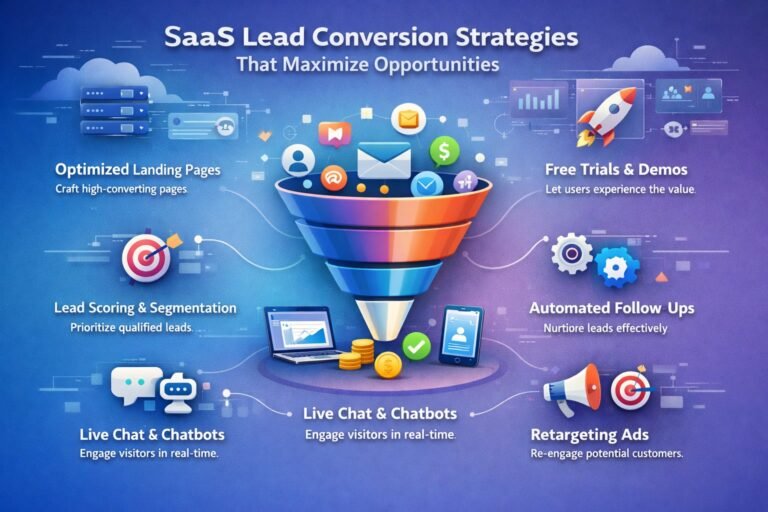
    As the Software as a Service (SaaS) industry continues to expand, lead conversion strategies become increasingly critical for maximizing opportunities and driving growth. SaaS businesses face unique challenges, as their offerings often involve complex decision-making processes for potential customers. To successfully convert leads into paying customers, organizations must develop a multifaceted approach that encompasses understanding the lead conversion landscape, measuring effectiveness, and implementing targeted strategies. This article on SaaS Lead Conversion Strategies provides actionable insights and strategies to enhance lead conversion rates within the SaaS sector, ensuring that businesses remain competitive in a dynamic environment.

    Understanding the SaaS Lead Conversion Landscape Today

    The SaaS lead conversion landscape is characterized by rapidly evolving customer expectations and technological advancements. Potential customers are often inundated with options, making it crucial for companies to stand out by showcasing unique value propositions. In this context, understanding the buyer’s journey is essential, as it allows organizations to align their marketing efforts with the specific needs and pain points of their leads. SaaS companies must recognize that their target audience is typically comprised of decision-makers who require comprehensive information before making commitments.

    Moreover, the landscape has shifted towards a more self-service model, where prospects prefer researching solutions independently before engaging with sales teams. This emphasizes the importance of providing high-quality content and resources that address potential customers’ questions and concerns. By offering insightful webinars, case studies, and whitepapers, SaaS organizations can establish themselves as thought leaders in their industry, helping to build trust and credibility with potential leads.

    Finally, it is vital to consider the competitive nature of the SaaS market. With numerous players vying for the same customer base, differentiating your offering through tailored messaging and targeted outreach is paramount. Companies must continuously analyze their competitors and the overall market to refine their strategies and ensure they are effectively capturing and converting leads.

    Key Metrics to Measure Lead Conversion Effectiveness

    To optimize lead conversion strategies, SaaS organizations must first establish key performance indicators (KPIs) that accurately measure effectiveness. Metrics such as conversion rate, lead-to-opportunity ratio, and customer acquisition cost (CAC) provide invaluable insights into the health of a company’s lead pipeline. By tracking these metrics, businesses can identify areas for improvement and refine their marketing and sales efforts accordingly.

    The conversion rate, defined as the percentage of leads that become paying customers, serves as a fundamental KPI. Analyzing this metric over time helps organizations assess the effectiveness of their lead nurturing and sales strategies. Additionally, examining the lead-to-opportunity ratio, which measures the number of leads that progress to the opportunity stage, can reveal bottlenecks in the sales funnel and guide teams in addressing potential weaknesses.

    Customer acquisition cost (CAC) is another crucial metric to monitor, as it reflects the resources spent acquiring each new customer. By comparing CAC to customer lifetime value (CLV), organizations can determine the long-term profitability of their lead conversion efforts. A favorable CAC to CLV ratio indicates a sustainable business model, while a less favorable ratio may signal the need for reevaluation of acquisition strategies.

    Building a Targeted Lead Generation Strategy for SaaS

    Developing a targeted lead generation strategy is essential for SaaS organizations striving to maximize conversion opportunities. A comprehensive approach should begin with defining target audiences based on detailed buyer personas. These personas should encompass demographic information, pain points, buying behaviors, and preferences, which will enable organizations to craft tailored marketing campaigns that resonate with potential customers.

    Once target audiences are identified, organizations can leverage various channels to attract leads. Content marketing is a powerful tool, as producing high-quality blogs, videos, and infographics can help educate potential customers on the benefits of the SaaS solution. Additionally, utilizing social media platforms to promote content and engage with prospects can enhance brand visibility and drive traffic to the website.

    Another effective strategy involves implementing search engine optimization (SEO) practices to improve organic search rankings. By conducting keyword research and optimizing on-page elements, SaaS companies can enhance their online presence and attract more qualified leads. Paid advertising campaigns, such as pay-per-click (PPC) and display ads, can also complement organic efforts by driving targeted traffic to landing pages designed for conversion.

    Creating Personalized Experiences for Higher Conversions

    Personalization is a powerful strategy for SaaS organizations looking to enhance lead conversion rates. By utilizing data-driven insights, companies can create customized experiences that resonate with individual leads. This can involve tailoring messaging, product recommendations, and content based on user behavior and preferences. When leads feel understood and valued, they are more likely to engage and ultimately convert.

    One effective way to implement personalization is through dynamic content on landing pages. By displaying content that caters to specific user interests or behaviors, organizations can significantly increase engagement rates. For example, a SaaS company may offer different versions of its product demo based on the industry of the lead, ensuring that the information presented is relevant and compelling.

    Additionally, personalized email marketing campaigns can drive conversions by addressing leads by name and providing tailored content that aligns with their interests. By segmenting email lists based on lead behavior and preferences, organizations can deliver relevant information that encourages further engagement. This level of personalization cultivates trust and fosters a sense of connection, ultimately leading to increased conversion rates.

    Leveraging Automation Tools to Enhance Lead Management

    In the fast-paced world of SaaS, automation tools play a critical role in streamlining lead management processes and enhancing conversion rates. By implementing customer relationship management (CRM) systems and marketing automation platforms, organizations can efficiently track leads, nurture them with targeted content, and manage follow-up communications. These tools eliminate manual processes, allowing teams to focus on high-value tasks that drive conversions.

    CRM systems provide a centralized platform for managing lead information, tracking interactions, and analyzing data. By integrating these systems with marketing automation platforms, organizations can create seamless workflows that guide leads through the sales funnel. For instance, automated lead scoring can prioritize high-value prospects based on their engagement levels, enabling sales teams to focus their efforts on leads most likely to convert.

    Furthermore, automation allows for timely follow-ups, which are crucial for keeping potential customers engaged. By scheduling automated email reminders or notifications, organizations can ensure that no lead falls through the cracks. This consistent communication builds rapport and demonstrates a commitment to addressing the needs of each lead, ultimately enhancing conversion opportunities.

    Effective Follow-Up Techniques to Nurture Leads

    Follow-up techniques are essential for nurturing leads and guiding them toward conversion. Research indicates that most leads do not convert during their initial interaction, which underscores the importance of a well-defined follow-up strategy. SaaS organizations should develop a systematic approach to follow-ups, ensuring they remain engaged with leads throughout their buyer journey.

    One effective technique involves creating a follow-up schedule that outlines the frequency and timing of communications. This could include a series of emails that provide valuable resources, answer common questions, and highlight use cases relevant to the lead’s industry. By offering informative content, organizations can position themselves as trusted advisors, increasing the likelihood of conversion.

    Additionally, personalized follow-up messages can significantly impact lead nurturing efforts. By referencing previous interactions and addressing specific pain points, sales representatives can create a more meaningful connection with leads. Utilizing data-driven insights to tailor follow-ups ensures that communications are relevant and timely, fostering a sense of engagement and increasing the chances of conversion.

    Analyzing Customer Feedback to Improve Conversion Rates

    Customer feedback is a critical component of understanding lead conversion dynamics. By actively soliciting and analyzing input from existing customers, SaaS organizations can identify trends, pain points, and areas for improvement. This feedback can inform product development, marketing strategies, and customer support efforts, ultimately enhancing the overall conversion experience for leads.

    Surveys, interviews, and feedback forms can uncover valuable insights into customer experiences, enabling organizations to refine their offerings. For instance, if customers express challenges during the onboarding process, SaaS companies can create additional resources or improve their support structures to alleviate these issues. Addressing customer concerns not only enhances satisfaction for current clients but also increases the likelihood of attracting new leads through positive word-of-mouth.

    Furthermore, analyzing customer feedback can reveal common objections that prospects may have during the sales process. By understanding these objections, organizations can proactively address them in their messaging, content, and follow-ups. This proactive approach can streamline the buyer’s journey and reduce friction, ultimately driving higher conversion rates.

    Best Practices for Measuring and Optimizing Your Strategy

    To maximize lead conversion opportunities, SaaS organizations must adopt best practices for measuring and optimizing their strategies. Continuous monitoring of KPIs, customer feedback, and market trends is essential for refining approaches and ensuring alignment with evolving customer expectations. Establishing a culture of data-driven decision-making empowers teams to make informed adjustments that enhance conversion rates.

    Regularly reviewing performance metrics allows organizations to identify successful tactics and areas that require improvement. Leveraging A/B testing for landing pages, email campaigns, and content formats can provide valuable insights into what resonates best with leads. By experimenting with different approaches and analyzing the results, SaaS companies can fine-tune their strategies for optimal effectiveness.

    Additionally, ensuring alignment between marketing and sales teams is critical for optimizing lead conversion efforts. Regular communication and collaboration can facilitate a unified approach to lead nurturing, enabling both teams to share insights and feedback. By working together, organizations can streamline processes, enhance lead experiences, and ultimately drive higher conversion rates.

    Conclusion – SaaS Lead Conversion Strategies

    In the ever-competitive SaaS landscape, implementing effective lead conversion strategies is paramount for maximizing growth opportunities. By understanding the lead conversion landscape, measuring key metrics, and employing targeted approaches, organizations can enhance their chances of turning prospects into loyal customers. By focusing on personalization, leveraging automation, and continuously analyzing customer feedback, SaaS companies can adapt their strategies to meet the demands of today’s market. Ultimately, a commitment to optimizing lead conversion efforts will position organizations for sustained success in the dynamic SaaS industry.

    Hashtags: #SaaS #LeadConversion #CustomerExperience #MarketingStrategy #Growth

    External Source: For more insights on SaaS lead conversion strategies, visit Beanstalk Consulting 

    Explore SaaS Metrics That Drive Scalable Growth