Tag: automation

  • Email Marketing Strategies for SaaS: Proven Tactics to Increase Conversions

    Email Marketing Strategies for SaaS: Proven Tactics to Increase Conversions

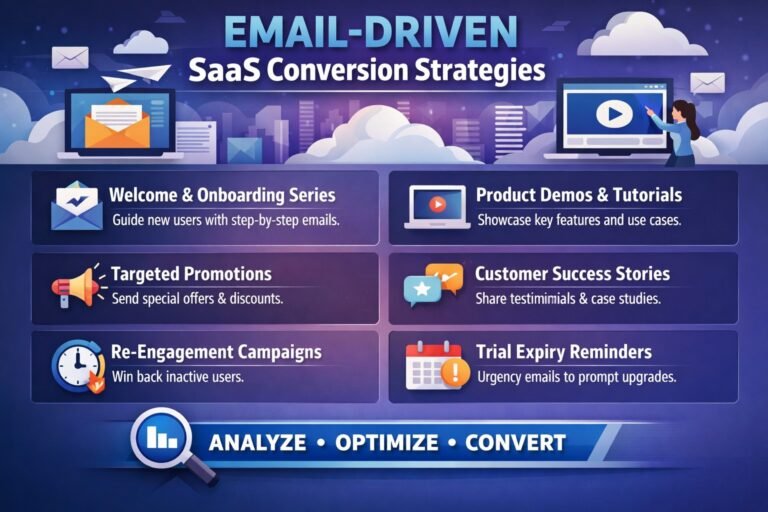
    In today’s digital landscape, where customers are inundated with choices, Email Marketing Strategies for SaaS emerges as a vital tool companies eager to enhance conversion rates. By leveraging targeted email campaigns, businesses can effectively guide leads through the customer journey from initial awareness to final purchase and beyond. This article explores Email Marketing Strategies for SaaS for maximizing email’s potential to convert leads, focusing on key metrics, segmentation techniques, personalization tactics, and automation workflows.

    Understanding the Importance of Email Marketing Strategies for SaaS

    Email marketing remains one of the most effective channels for increasing conversions in the SaaS space. Unlike social media or paid advertising, email allows for direct communication with potential customers, enabling SaaS businesses to build relationships and nurture leads over time. With targeted messaging, companies can address the specific pain points of their audience, making their offerings more appealing. This direct line of communication can ultimately transform leads into loyal customers.

    Furthermore, email marketing is cost-effective, providing a high return on investment (ROI) compared to other marketing channels. According to a study by the Direct Marketing Association, email marketing can yield an ROI of up to 4,300 percent. This staggering figure illustrates how even modest investments in email campaigns can result in significant financial returns. For SaaS companies, where customer lifetime value can be substantial, the importance of a well-crafted email strategy is unquestionable.

    Additionally, email provides invaluable data and insights about customer behavior. By tracking open rates, click-through rates, and conversion metrics, SaaS organizations can analyze how leads interact with their emails. This data-driven approach allows for continuous optimization of email strategies, ensuring that businesses can adapt their messaging based on what resonates most with their audience, ultimately enhancing the overall customer experience.

    Key Email Marketing Metrics to Track for Success

    To optimize email-driven conversion strategies, it is crucial to monitor specific metrics that indicate performance. The most basic yet essential metric is the open rate, which reveals how many recipients opened the email. A low open rate may suggest that subject lines are not compelling enough or that emails are being sent to the wrong audience. Therefore, SaaS marketers should continually analyze and adjust their subject lines and targeting strategies to improve this critical metric.

    Next comes the click-through rate (CTR), which measures the percentage of recipients who clicked on links within the email. A high CTR indicates that the email content resonates with the audience and motivates them to engage further. To boost CTR, it is important to include clear and actionable calls-to-action (CTAs) in emails. This can be as simple as a button that leads to a free trial or a product demo, guiding leads toward the next step in their customer journey.

    Finally, conversion rate is the ultimate metric to track. This measures the percentage of recipients who completed a desired action, such as signing up for a trial or making a purchase. Tracking conversion rates provides direct insight into the effectiveness of email campaigns in driving actual business results. To improve conversion rates, SaaS companies should focus on refining their email content, ensuring that it addresses customer pain points and aligns with their needs and interests.

    Crafting Compelling Subject Lines That Drive Opens

    The subject line is the first impression a lead has of an email, and it plays a critical role in determining whether the email will be opened. A compelling subject line should be clear, concise, and intriguing, offering a glimpse into the email’s content. For SaaS companies, crafting subject lines that highlight the value proposition or solve a problem can significantly increase open rates. For instance, instead of a generic subject like “New Features,” a more engaging option could be “Unlock Your Team’s Potential with Our Latest Features.”

    Incorporating personalization into subject lines can also enhance their effectiveness. Using the recipient’s name or referencing their company can create a connection that encourages them to open the email. Tools that allow for dynamic content can make it easier for SaaS companies to tailor subject lines to individual recipients, thereby increasing the likelihood of engagement.

    Additionally, A/B testing different subject lines can provide insights into what resonates best with the audience. By sending two variations of an email to a subset of the target list, marketers can analyze which subject line yields a higher open rate and apply those insights to future campaigns. This iterative approach ensures ongoing improvement in email performance.

    Segmentation Strategies for Email Marketing Strategies for SaaS

    Segmentation is a powerful strategy that allows SaaS companies to tailor their email marketing efforts to specific audience segments. By grouping leads based on shared characteristics such as behavior, demographics, or stage in the customer journey marketers can create more relevant and impactful campaigns. For example, new sign-ups may benefit from onboarding emails that guide them through the platform, while long-term customers might prefer content focused on advanced features or upsell opportunities.

    Another effective segmentation strategy involves behavioral targeting, which involves tracking user engagement and preferences. By analyzing how leads interact with previous emails or the SaaS product itself, companies can tailor their messaging accordingly. For instance, if a user frequently engages with content related to a specific feature, marketers can send targeted emails highlighting that feature’s benefits and use cases, driving deeper engagement and ultimately conversions.

    Segmentation also enhances the effectiveness of re-engagement campaigns. If a lead has not interacted with emails or the SaaS product for an extended period, targeted re-engagement emails can help rekindle their interest. By delivering personalized content and special offers, marketers can remind leads of the value their product brings and encourage them to take action.

    Personalization Techniques to Boost Engagement Rates in Email Marketing Strategies for SaaS

    Personalization extends beyond simply addressing leads by their names; it encompasses delivering content that aligns with their interests, needs, and behaviors. For SaaS companies, leveraging user data to create personalized experiences can significantly enhance engagement rates. This could mean sending tailored onboarding emails based on the features a user is most likely to utilize, or offering custom recommendations based on past interactions.

    Utilizing behavioral data can further enhance personalization efforts. For instance, if a user has recently attended a webinar or downloaded a white paper, follow-up emails can be crafted to provide additional resources that build on that interest. Such relevance increases the chances of conversion as leads feel the content speaks directly to their needs.

    Moreover, implementing dynamic content within emails can elevate the personalization experience. By showcasing different content blocks based on audience segments, companies can ensure that each recipient receives information tailored to their specific stage in the customer journey. This level of customization not only boosts engagement rates but also fosters a sense of loyalty and connection with the brand.

    A/B Testing: Optimizing Emails for Maximum Impact

    A/B testing, or split testing, is a crucial tactic in the arsenal of email-driven conversion strategies. This method involves sending two variations of an email to different segments of the audience to determine which performs better. By testing different elements such as subject lines, CTAs, or email layouts SaaS companies can uncover insights about what resonates most with their subscribers.

    For example, marketers might experiment with the wording of a CTA. A simple change can lead to significantly different results. By analyzing which version drives more clicks, businesses can make informed decisions that optimize future campaigns. Regularly incorporating A/B testing into email marketing practices allows SaaS companies to refine their strategies based on real data rather than assumptions.

    Additionally, A/B testing should be an ongoing initiative rather than a one-time effort. As audience preferences evolve, continuous testing ensures that email campaigns remain relevant and effective. Tools and analytics platforms can facilitate this process, allowing marketers to easily track performance and iterate on their findings for sustained success.

    Nurturing Leads Through Automated Email Workflows

    Automated email workflows are essential for nurturing leads through the customer journey. By setting up a series of carefully crafted emails that are triggered by specific actions such as signing up for a free trial or downloading a resource SaaS companies can maintain engagement with leads over time. These automated campaigns can deliver timely, relevant information that guides leads toward making a purchase decision.

    For instance, a welcome series is a commonly used automated workflow. After a user signs up, they receive a series of onboarding emails that introduce them to the platform’s key features and benefits. This approach not only educates the user but also builds a relationship, establishing trust and encouraging them to explore the product further.

    Moreover, automated workflows can be tailored to target specific segments of the audience. By incorporating user behavior data, companies can send follow-up emails based on how users are interacting with the product. For example, if a lead has not logged in for a while, a targeted re-engagement email can be sent to remind them of their free trial and the value it provides, driving them back to the platform.

    Measuring the ROI of Email-Driven Conversion Strategies

    Measuring the ROI of email-driven conversion strategies is crucial for understanding the overall impact of marketing efforts. To calculate ROI, companies need to assess the revenue generated from email campaigns in relation to the costs involved. This includes not only direct sales but also the long-term value of customers acquired through these efforts.

    One effective method for tracking ROI is through customer lifetime value (CLV) analysis. By understanding how much revenue a customer generates over their entire relationship with the company, SaaS businesses can get a clearer picture of the value of their email marketing initiatives. A well-structured email campaign can increase CLV by fostering customer loyalty and encouraging upsell opportunities.

    Furthermore, integrating email marketing analytics with customer relationship management (CRM) systems can provide deeper insights into the effectiveness of campaigns. By tracking metrics like conversion rate and average order value, companies can identify trends and optimize their email strategies for maximum impact. Regularly reviewing these analytics ensures that SaaS businesses can adapt their approaches and continue to achieve impressive ROI.

    Conclusion – Email Marketing Strategies for SaaS

    Email marketing serves as a powerful vehicle for SaaS companies aiming to convert leads into loyal customers. By understanding the importance of email, tracking key metrics, crafting compelling subject lines, and implementing targeted segmentation and personalization strategies, businesses can unlock the full potential of their email marketing efforts. With ongoing A/B testing, automated workflows, and diligent ROI measurement, organizations can cultivate effective email-driven conversion strategies that deliver tangible results and drive business growth.

    Hashtags:

    SaaS #EmailMarketing #ConversionStrategies #LeadNurturing #Automation

    External Source:
    For further insights on email marketing metrics, visit HubSpot’s guide on email marketing metrics

    Discover SaaS Lead Conversion Strategies That Maximize Opportunities

  • SaaS Lead Conversion Strategies That Maximize Opportunities

    SaaS Lead Conversion Strategies That Maximize Opportunities

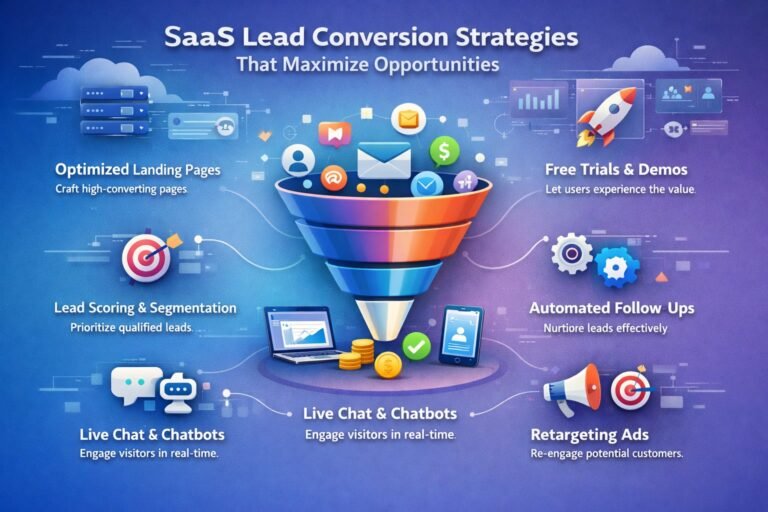
    As the Software as a Service (SaaS) industry continues to expand, lead conversion strategies become increasingly critical for maximizing opportunities and driving growth. SaaS businesses face unique challenges, as their offerings often involve complex decision-making processes for potential customers. To successfully convert leads into paying customers, organizations must develop a multifaceted approach that encompasses understanding the lead conversion landscape, measuring effectiveness, and implementing targeted strategies. This article on SaaS Lead Conversion Strategies provides actionable insights and strategies to enhance lead conversion rates within the SaaS sector, ensuring that businesses remain competitive in a dynamic environment.

    Understanding the SaaS Lead Conversion Landscape Today

    The SaaS lead conversion landscape is characterized by rapidly evolving customer expectations and technological advancements. Potential customers are often inundated with options, making it crucial for companies to stand out by showcasing unique value propositions. In this context, understanding the buyer’s journey is essential, as it allows organizations to align their marketing efforts with the specific needs and pain points of their leads. SaaS companies must recognize that their target audience is typically comprised of decision-makers who require comprehensive information before making commitments.

    Moreover, the landscape has shifted towards a more self-service model, where prospects prefer researching solutions independently before engaging with sales teams. This emphasizes the importance of providing high-quality content and resources that address potential customers’ questions and concerns. By offering insightful webinars, case studies, and whitepapers, SaaS organizations can establish themselves as thought leaders in their industry, helping to build trust and credibility with potential leads.

    Finally, it is vital to consider the competitive nature of the SaaS market. With numerous players vying for the same customer base, differentiating your offering through tailored messaging and targeted outreach is paramount. Companies must continuously analyze their competitors and the overall market to refine their strategies and ensure they are effectively capturing and converting leads.

    Key Metrics to Measure Lead Conversion Effectiveness

    To optimize lead conversion strategies, SaaS organizations must first establish key performance indicators (KPIs) that accurately measure effectiveness. Metrics such as conversion rate, lead-to-opportunity ratio, and customer acquisition cost (CAC) provide invaluable insights into the health of a company’s lead pipeline. By tracking these metrics, businesses can identify areas for improvement and refine their marketing and sales efforts accordingly.

    The conversion rate, defined as the percentage of leads that become paying customers, serves as a fundamental KPI. Analyzing this metric over time helps organizations assess the effectiveness of their lead nurturing and sales strategies. Additionally, examining the lead-to-opportunity ratio, which measures the number of leads that progress to the opportunity stage, can reveal bottlenecks in the sales funnel and guide teams in addressing potential weaknesses.

    Customer acquisition cost (CAC) is another crucial metric to monitor, as it reflects the resources spent acquiring each new customer. By comparing CAC to customer lifetime value (CLV), organizations can determine the long-term profitability of their lead conversion efforts. A favorable CAC to CLV ratio indicates a sustainable business model, while a less favorable ratio may signal the need for reevaluation of acquisition strategies.

    Building a Targeted Lead Generation Strategy for SaaS

    Developing a targeted lead generation strategy is essential for SaaS organizations striving to maximize conversion opportunities. A comprehensive approach should begin with defining target audiences based on detailed buyer personas. These personas should encompass demographic information, pain points, buying behaviors, and preferences, which will enable organizations to craft tailored marketing campaigns that resonate with potential customers.

    Once target audiences are identified, organizations can leverage various channels to attract leads. Content marketing is a powerful tool, as producing high-quality blogs, videos, and infographics can help educate potential customers on the benefits of the SaaS solution. Additionally, utilizing social media platforms to promote content and engage with prospects can enhance brand visibility and drive traffic to the website.

    Another effective strategy involves implementing search engine optimization (SEO) practices to improve organic search rankings. By conducting keyword research and optimizing on-page elements, SaaS companies can enhance their online presence and attract more qualified leads. Paid advertising campaigns, such as pay-per-click (PPC) and display ads, can also complement organic efforts by driving targeted traffic to landing pages designed for conversion.

    Creating Personalized Experiences for Higher Conversions

    Personalization is a powerful strategy for SaaS organizations looking to enhance lead conversion rates. By utilizing data-driven insights, companies can create customized experiences that resonate with individual leads. This can involve tailoring messaging, product recommendations, and content based on user behavior and preferences. When leads feel understood and valued, they are more likely to engage and ultimately convert.

    One effective way to implement personalization is through dynamic content on landing pages. By displaying content that caters to specific user interests or behaviors, organizations can significantly increase engagement rates. For example, a SaaS company may offer different versions of its product demo based on the industry of the lead, ensuring that the information presented is relevant and compelling.

    Additionally, personalized email marketing campaigns can drive conversions by addressing leads by name and providing tailored content that aligns with their interests. By segmenting email lists based on lead behavior and preferences, organizations can deliver relevant information that encourages further engagement. This level of personalization cultivates trust and fosters a sense of connection, ultimately leading to increased conversion rates.

    Leveraging Automation Tools to Enhance Lead Management

    In the fast-paced world of SaaS, automation tools play a critical role in streamlining lead management processes and enhancing conversion rates. By implementing customer relationship management (CRM) systems and marketing automation platforms, organizations can efficiently track leads, nurture them with targeted content, and manage follow-up communications. These tools eliminate manual processes, allowing teams to focus on high-value tasks that drive conversions.

    CRM systems provide a centralized platform for managing lead information, tracking interactions, and analyzing data. By integrating these systems with marketing automation platforms, organizations can create seamless workflows that guide leads through the sales funnel. For instance, automated lead scoring can prioritize high-value prospects based on their engagement levels, enabling sales teams to focus their efforts on leads most likely to convert.

    Furthermore, automation allows for timely follow-ups, which are crucial for keeping potential customers engaged. By scheduling automated email reminders or notifications, organizations can ensure that no lead falls through the cracks. This consistent communication builds rapport and demonstrates a commitment to addressing the needs of each lead, ultimately enhancing conversion opportunities.

    Effective Follow-Up Techniques to Nurture Leads

    Follow-up techniques are essential for nurturing leads and guiding them toward conversion. Research indicates that most leads do not convert during their initial interaction, which underscores the importance of a well-defined follow-up strategy. SaaS organizations should develop a systematic approach to follow-ups, ensuring they remain engaged with leads throughout their buyer journey.

    One effective technique involves creating a follow-up schedule that outlines the frequency and timing of communications. This could include a series of emails that provide valuable resources, answer common questions, and highlight use cases relevant to the lead’s industry. By offering informative content, organizations can position themselves as trusted advisors, increasing the likelihood of conversion.

    Additionally, personalized follow-up messages can significantly impact lead nurturing efforts. By referencing previous interactions and addressing specific pain points, sales representatives can create a more meaningful connection with leads. Utilizing data-driven insights to tailor follow-ups ensures that communications are relevant and timely, fostering a sense of engagement and increasing the chances of conversion.

    Analyzing Customer Feedback to Improve Conversion Rates

    Customer feedback is a critical component of understanding lead conversion dynamics. By actively soliciting and analyzing input from existing customers, SaaS organizations can identify trends, pain points, and areas for improvement. This feedback can inform product development, marketing strategies, and customer support efforts, ultimately enhancing the overall conversion experience for leads.

    Surveys, interviews, and feedback forms can uncover valuable insights into customer experiences, enabling organizations to refine their offerings. For instance, if customers express challenges during the onboarding process, SaaS companies can create additional resources or improve their support structures to alleviate these issues. Addressing customer concerns not only enhances satisfaction for current clients but also increases the likelihood of attracting new leads through positive word-of-mouth.

    Furthermore, analyzing customer feedback can reveal common objections that prospects may have during the sales process. By understanding these objections, organizations can proactively address them in their messaging, content, and follow-ups. This proactive approach can streamline the buyer’s journey and reduce friction, ultimately driving higher conversion rates.

    Best Practices for Measuring and Optimizing Your Strategy

    To maximize lead conversion opportunities, SaaS organizations must adopt best practices for measuring and optimizing their strategies. Continuous monitoring of KPIs, customer feedback, and market trends is essential for refining approaches and ensuring alignment with evolving customer expectations. Establishing a culture of data-driven decision-making empowers teams to make informed adjustments that enhance conversion rates.

    Regularly reviewing performance metrics allows organizations to identify successful tactics and areas that require improvement. Leveraging A/B testing for landing pages, email campaigns, and content formats can provide valuable insights into what resonates best with leads. By experimenting with different approaches and analyzing the results, SaaS companies can fine-tune their strategies for optimal effectiveness.

    Additionally, ensuring alignment between marketing and sales teams is critical for optimizing lead conversion efforts. Regular communication and collaboration can facilitate a unified approach to lead nurturing, enabling both teams to share insights and feedback. By working together, organizations can streamline processes, enhance lead experiences, and ultimately drive higher conversion rates.

    Conclusion – SaaS Lead Conversion Strategies

    In the ever-competitive SaaS landscape, implementing effective lead conversion strategies is paramount for maximizing growth opportunities. By understanding the lead conversion landscape, measuring key metrics, and employing targeted approaches, organizations can enhance their chances of turning prospects into loyal customers. By focusing on personalization, leveraging automation, and continuously analyzing customer feedback, SaaS companies can adapt their strategies to meet the demands of today’s market. Ultimately, a commitment to optimizing lead conversion efforts will position organizations for sustained success in the dynamic SaaS industry.

    Hashtags: #SaaS #LeadConversion #CustomerExperience #MarketingStrategy #Growth

    External Source: For more insights on SaaS lead conversion strategies, visit Beanstalk Consulting 

    Explore SaaS Metrics That Drive Scalable Growth

  • Game-Changing SaaS Onboarding Strategies to Reduce Churn and Improve User Retention

    Game-Changing SaaS Onboarding Strategies to Reduce Churn and Improve User Retention

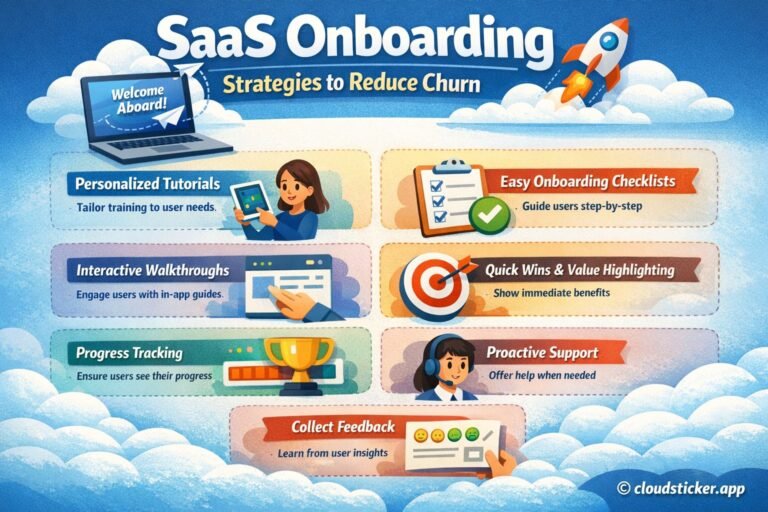
    In Software as a Service (SaaS), the importance of effective SaaS Onboarding Strategies to Reduce Churn cannot be overstated. A seamless onboarding experience is crucial not just for user satisfaction, but also for reducing churn rates, which can significantly affect a company’s bottom line. The initial interaction that new users have with your software sets the tone for their long-term relationship with your product. Hence, organizations must adopt game-changing onboarding methods that are designed to engage users right from the start and keep them coming back for more.

    Understanding the Importance of Effective SaaS Onboarding Strategies to Reduce Churn

    SaaS onboarding is often the first and most critical step in the customer journey. The onboarding process introduces users to the software, helping them understand its features and benefits. A well-executed onboarding experience can directly influence user retention, satisfaction, and overall lifetime value. Studies show that 86% of users are likely to stay with a product if they have a positive onboarding experience. Conversely, a poor onboarding process can lead to immediate frustration and abandonment, driving users to seek alternatives.

    Moreover, effective onboarding can differentiate your SaaS product in a crowded market. Companies that invest in user onboarding see improved customer engagement and loyalty. Users who are well-informed about the product’s features are less likely to churn, as they perceive the value derived from the software. This is particularly important for large organizations that require a comprehensive understanding of a tool’s capabilities to maximize its potential.

    Finally, onboarding is not just a one-time event; it should be viewed as an ongoing relationship-building exercise. Continuous engagement through various strategies such as personalized follow-ups, educational resources, and community-building can transform a one-off interaction into a sustainable partnership. This long-term approach can vastly reduce churn rates, leading to enhanced customer lifetime value and better overall business performance.

    Key Metrics to Measure SaaS Onboarding Strategies to Reduce Churn

    To gauge the effectiveness of your onboarding process, it’s essential to track specific metrics. Key performance indicators (KPIs) such as Time to First Value (TTFV), product adoption rate, and user engagement scores provide valuable insights into how well users are acclimating to your software. TTFV measures the duration it takes for a new user to recognize the value of your product. The shorter this time frame, the more likely users are to stick around.

    Another critical metric is the churn rate itself. Understanding the percentage of users who discontinue using your service within a specific period can help identify gaps in your onboarding process. A high churn rate typically signifies issues with user experience or value perception. Companies should also analyze customer feedback to pinpoint the exact reasons behind churn. This will not only highlight existing shortcomings but also pave the way for improvements in the onboarding process.

    Lastly, cohort analysis allows organizations to segment users based on their onboarding experiences and monitor their behavior over time. By understanding how different groups of users interact with your product post-onboarding, you can uncover patterns that influence churn and engagement. These insights will enable you to refine your onboarding strategies, ensuring that you are effectively meeting the needs of your diverse user base.

    Personalization: A Game-Changer in User Engagement

    In an era where users crave tailored experiences, personalization in onboarding can make a significant difference. Addressing individual needs and preferences increases user engagement and satisfaction. When users feel that a product is designed specifically for them, they are more likely to invest time in learning its features. Customizing onboarding journeys whether through targeted messaging, feature recommendations, or specific training sessions can create a sense of attachment and commitment to your software.

    Additionally, leveraging user data to personalize onboarding ensures that you are providing relevant information at the right time. For example, if a user shows interest in a specific feature, you can highlight that during onboarding, guiding them towards achieving their goals. This data-driven approach can significantly enhance user experience, leading to higher retention rates. When users see immediate value tailored to their needs, they are less likely to explore competitors.

    Finally, personalization doesn’t end with the initial onboarding process; it should be an ongoing effort. Use feedback to continuously refine your onboarding approach and adapt to changing user needs. Regular touchpoints such as personalized emails, updates on new features, and invitations to webinars help reinforce the relationship and keep users engaged over the long term.

    Interactive Tutorials That Keep Users Coming Back

    Interactive tutorials are another effective method for enhancing the onboarding experience. Traditional manuals and static guides often fail to capture user attention and can leave new users feeling overwhelmed. On the other hand, interactive tutorials encourage active participation, allowing users to learn by doing. When users engage with the software hands-on, they are more likely to remember features and workflows, fostering a deeper understanding of the product.

    An effective interactive tutorial should be intuitive and user-friendly. Incorporating elements such as tooltips, guided walkthroughs, and pop-up explanations can help users navigate through the software seamlessly. These interactive elements empower users to explore the product at their own pace while ensuring they grasp key functionalities. Additionally, gamifying the tutorial experience can increase motivation and engagement. For instance, offering rewards for completing certain tasks can make learning feel less like a chore and more like an achievement.

    Moreover, consider implementing a feedback mechanism within the tutorial. By allowing users to share their thoughts or report difficulties, you can gather invaluable insights to enhance the onboarding experience further. Regularly updating tutorials based on user feedback ensures that the content remains relevant and useful, effectively reducing the chances of churn.

    Building Community: Leveraging User Support Networks

    A strong community can be a powerful asset in reducing churn and enhancing the onboarding experience. When users feel part of a supportive network, they are more likely to engage with the product and seek help when needed. Creating forums, user groups, or social media communities allows users to connect, share tips, and troubleshoot issues together. This sense of belonging can alleviate the feeling of isolation that often accompanies new software adoption.

    Community engagement fosters a culture of collaboration and learning, which can be particularly beneficial for large organizations. Employees can share best practices, facilitating knowledge transfer and ultimately speeding up the adoption process. Additionally, leveraging community insights can guide product development. User-generated content such as FAQs, tutorials, and case studies can enrich the onboarding experience and provide new users with valuable resources.

    Furthermore, consider organizing online or in-person events such as webinars, Q&A sessions, or user conferences. These events not only provide opportunities for users to learn more about the software but also strengthen community ties. By showcasing success stories and encouraging user participation, you can create ambassadors who advocate for your product, further reducing churn and enhancing user loyalty.

    Automation Tools to Streamline Your Onboarding Process

    Incorporating automation tools can drastically improve the onboarding process, allowing organizations to scale their efforts without sacrificing quality. Automated onboarding emails, reminders, and check-ins can ensure users receive timely information without overwhelming staff resources. For instance, setting up a welcome email series that introduces key features can provide new users with a structured approach to learning the software.

    Moreover, automation can facilitate personalized experiences at scale. By integrating user data into your onboarding platform, you can tailor communications based on user behavior and preferences. This level of personalization, combined with automation, can significantly enhance user engagement, making them feel valued and understood from their first interaction.

    Finally, automation can help track onboarding completion rates and user engagement metrics in real time. This enables organizations to identify at-risk users who may need additional support or resources. Proactively reaching out to these users can prevent churn and reinforce the importance of the onboarding journey. Implementing automation tools will not only streamline your process but also create a more engaging experience for users.

    Gathering User Feedback for Continuous Improvement

    User feedback is essential for refining your onboarding strategies. Regularly soliciting input through surveys, interviews, or feedback forms can provide valuable insights into user experiences. Understanding what aspects of the onboarding process users appreciate and what challenges they face can help you make data-driven improvements. For instance, if multiple users cite confusion over a specific feature, it may be time to enhance the associated tutorial or provide additional resources.

    Moreover, creating an open channel for feedback encourages a culture of communication and trust. When users feel their opinions matter, they are more likely to engage with your product actively. Using tools like Net Promoter Score (NPS) can help gauge overall user satisfaction and loyalty. High NPS scores are indicative of a successful onboarding experience, while low scores may point towards areas needing immediate attention.

    Finally, integrate feedback into your product development cycle. Collaborating with your product team to address user concerns will not only improve the onboarding experience but also enhance the product itself. Continuous improvement based on user feedback ensures that your onboarding process evolves with user needs, ultimately reducing churn and fostering long-term relationships.

    Analyzing Data to Refine SaaS Onboarding Strategies to Reduce Churn

    Understanding the factors contributing to churn is crucial for refining your onboarding strategies. By analyzing churn data, organizations can identify common trends and issues that might be leading users to disengage. For instance, if a specific demographic or user segment displays higher churn rates, it may signal a need for tailored onboarding approaches for that group. This analysis can guide targeted interventions that directly address the issues causing users to leave.

    Additionally, consider conducting exit interviews with churned users to gain qualitative insights. These conversations can uncover underlying issues that quantitative data may not reveal. For example, users may express dissatisfaction with certain features or mention that the onboarding process was too complicated. By employing a combination of qualitative and quantitative analysis, organizations can create a more comprehensive understanding of churn drivers.

    Finally, use the insights gained from churn analysis to develop targeted onboarding initiatives. For instance, if data shows that users tend to drop off after specific feature introductions, consider revising how those features are presented during onboarding. By continually refining your onboarding strategies based on churn data, you can create a more compelling experience that resonates with users and minimizes churn.

    Frequently Asked Questions

    What is SaaS onboarding and why is it critical for reducing churn?

    SaaS onboarding is the structured process of guiding new users from initial sign-up to meaningful product usage. It ensures users understand how to use the platform and achieve value quickly.

    In enterprise environments, onboarding directly influences churn because it shapes first impressions and determines whether users see immediate value. If users fail to understand the product early, they are far more likely to disengage and abandon it.

    Effective onboarding reduces friction, accelerates value realization, and builds long-term engagement, all of which are essential for minimizing churn.

    How does onboarding impact customer retention in SaaS?

    Onboarding is one of the strongest predictors of customer retention. When users quickly understand how a product solves their problems, they are more likely to continue using it.

    A well-designed onboarding experience increases confidence, reduces frustration, and reinforces perceived value. In contrast, poor onboarding leads to confusion, underutilization, and ultimately churn.

    Organizations that invest in onboarding typically see improvements in retention rates, customer satisfaction, and lifetime value.

    What are the most important SaaS onboarding metrics to track?

    Key metrics include Time to First Value (TTFV), activation rate, feature adoption rate, and churn rate. TTFV measures how quickly users experience meaningful value after signing up.

    Activation rate tracks how many users complete key onboarding milestones. Feature adoption rate indicates whether users are engaging with core functionalities.

    Churn rate remains the ultimate measure of onboarding success. In enterprise SaaS, these metrics are often analyzed together to provide a comprehensive view of onboarding effectiveness.

    What is Time to First Value and why does it matter?

    Time to First Value refers to the time it takes for a new user to realize the core benefit of a product. It is a critical metric because it directly impacts user perception and engagement.

    The faster users experience value, the more likely they are to continue using the product. Long or complex onboarding processes that delay value realization increase the risk of churn.

    Reducing TTFV should be a priority for any SaaS organization aiming to improve retention.

    How can personalization improve SaaS onboarding?

    Personalization enhances onboarding by tailoring the experience to individual user needs, roles, and goals. Instead of a generic approach, users receive relevant guidance and feature recommendations.

    In enterprise SaaS, personalization can be based on industry, job function, or usage patterns. This ensures that users focus on features that are most relevant to their workflows.

    Personalized onboarding reduces cognitive overload, increases engagement, and accelerates adoption, all of which contribute to lower churn rates.

    What are the most effective onboarding strategies for SaaS products?

    Effective strategies include interactive walkthroughs, contextual tooltips, onboarding checklists, and guided product tours. These approaches help users learn by doing rather than relying solely on documentation.

    Additional strategies include onboarding emails, webinars, and in-app messaging to reinforce learning. Providing clear use cases and real-world examples also helps users understand the value of the product.

    In enterprise environments, combining self-service onboarding with human support, such as customer success teams, often delivers the best results.

    How important is user experience in onboarding?

    User experience is fundamental to onboarding success. A complex or unintuitive interface can undermine even the most well-designed onboarding process.

    Clear navigation, intuitive design, and minimal friction are essential for helping users progress smoothly. Poor user experience leads to frustration, delays in value realization, and increased churn risk.

    Organizations must continuously refine their user experience to ensure onboarding remains efficient and effective.

    Can onboarding alone eliminate churn?

    Onboarding plays a significant role in reducing churn, but it cannot eliminate it entirely. Churn is influenced by multiple factors, including product value, pricing, competition, and customer support.

    However, onboarding is one of the most controllable factors. A strong onboarding experience can significantly reduce early-stage churn and set the foundation for long-term retention.

    To achieve sustained results, onboarding must be integrated with broader customer success and engagement strategies.

    How can companies identify onboarding gaps?

    Onboarding gaps can be identified through data analysis, user feedback, and behavioral tracking. Metrics such as drop-off rates, incomplete onboarding steps, and low activation rates highlight problem areas.

    User feedback through surveys, interviews, and support interactions provides qualitative insights into pain points. Session recordings and analytics tools can also reveal where users struggle.

    By combining these insights, organizations can pinpoint weaknesses and continuously improve the onboarding experience.

    What role does customer support play in onboarding?

    Customer support is a critical component of onboarding, especially in enterprise SaaS environments. Support teams help users overcome challenges and ensure a smooth transition into the product.

    Proactive support, such as onboarding calls and check-ins, can significantly enhance user confidence and engagement. Reactive support ensures that issues are resolved quickly, preventing frustration.

    Strong collaboration between product, onboarding, and support teams is essential for delivering a seamless experience.

    How does onboarding differ for enterprise SaaS compared to small business SaaS?

    Enterprise SaaS onboarding is typically more complex due to larger user bases, multiple stakeholders, and integration requirements. It often involves customized onboarding plans, training sessions, and dedicated support.

    Small business SaaS onboarding is usually more standardized and self-service, focusing on simplicity and speed.

    Enterprise onboarding requires a more strategic approach, emphasizing change management, stakeholder alignment, and long-term adoption.

    What is the role of automation in SaaS onboarding?

    Automation enables scalable and consistent onboarding experiences. Automated workflows, emails, and in-app guidance ensure that users receive timely and relevant information.

    Automation also reduces manual effort and allows teams to focus on high-value interactions. For example, automated onboarding sequences can guide users through key steps without requiring constant human intervention.

    When combined with personalization, automation can significantly enhance onboarding efficiency and effectiveness.

    How can organizations continuously improve onboarding performance?

    Continuous improvement requires ongoing monitoring, testing, and iteration. Organizations should regularly review onboarding metrics and user feedback to identify areas for enhancement.

    A/B testing different onboarding flows can help determine what works best. Updating content, refining user journeys, and incorporating new features into onboarding are also important.

    In enterprise environments, aligning onboarding improvements with business objectives ensures that efforts deliver measurable value.

    What are common mistakes in SaaS onboarding?

    Common mistakes include overwhelming users with too much information, failing to demonstrate value quickly, and using generic onboarding experiences.

    Another issue is neglecting post-onboarding engagement, which can lead to declining usage over time. Poor communication and lack of support also contribute to ineffective onboarding.

    Avoiding these mistakes requires a user-centric approach that prioritizes clarity, relevance, and continuous engagement.

    Why is SaaS onboarding a strategic priority for business growth?

    SaaS onboarding is directly linked to key business outcomes such as retention, revenue growth, and customer lifetime value. It is not just a product function but a strategic capability.

    Organizations that excel in onboarding differentiate themselves in competitive markets by delivering superior user experiences. This leads to higher engagement, stronger customer relationships, and sustainable growth.

    Ultimately, effective onboarding transforms new users into long-term customers, making it a critical driver of SaaS success.

    Conclusion – SaaS Onboarding Strategies to Reduce Churn

    Effective SaaS onboarding is an ongoing journey rather than a one-time event. By adopting game-changing methods such as personalization, interactive tutorials, and leveraging community support, organizations can create a seamless onboarding experience that keeps users engaged. Additionally, employing automation tools and continuously gathering user feedback will provide valuable insights for improvement. Ultimately, analyzing churn data allows you to refine your strategies and ensure that users recognize the value of your product, leading to increased retention and customer loyalty.

    Hashtags: #SaaS #Onboarding #UserEngagement #ChurnReduction #CustomerFeedback

    Call-to-Action: For more insights on improving SaaS user onboarding, visit Eleken for expert resources and case studies.

    Discover SaaS Feature Adoption Strategies